

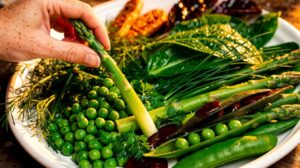

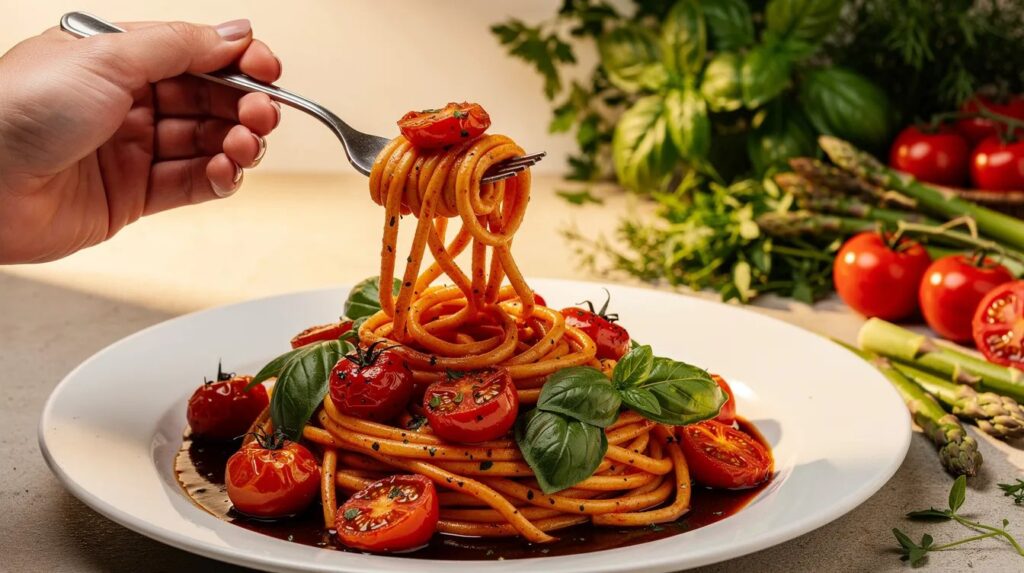
Spring makes dinner feel effortless again. After months of heavy braises and slow-cooked stews, the season shifts. Asparagus shows up at the farmers' market, snap peas arrive bright and sweet, and fresh herbs start to take over every corner of the produce section. The kitchen gets lighter, faster, and more alive. With longer days and the energy that comes with warmer weather, most of us want meals that land on the table quickly without sacrificing flavor or freshness.
These 17 spring dinners prove that 30 minutes is all you need to eat well when the season's best ingredients are on your side. Each dish leans on what's at peak right now — tender greens, young vegetables, delicate proteins — and relies on technique over time. Whether you're cooking for two on a Tuesday or feeding the table on a Friday night, at least one of these will become a new warm-weather staple. Apron on.
| Total time per dish | 30 minutes or less |
| Serves | 2–4 people (varies by recipe) |
| Difficulty | Easy to Medium |
| Cost | $–$$ |
| Season | Spring — asparagus, snap peas, peas, radishes, leeks, spinach, artichokes, fresh herbs, lemon |
Suitable for: Vegetarian options included · High-protein options included · Gluten-free options included
Why spring is the best season for fast dinners
Spring produce does most of the heavy lifting. Asparagus needs only three to four minutes in a hot pan. Snap peas are sweet and crisp straight from the bag. Baby spinach wilts in seconds. Young leeks soften in a fraction of the time their winter counterparts need. The season rewards speed rather than punishing it — overcooking is the only real enemy here.
Proteins pair naturally with these light vegetables: a seared salmon fillet, a quick-sautéed chicken breast, a pile of shrimp thrown into a pan with garlic and white wine. Add a squeeze of lemon and a handful of fresh herbs — parsley, chives, tarragon, dill — and the dish finishes itself. This is cooking that breathes.
The 17 dishes
1. Lemon butter shrimp with asparagus
Shrimp cook in under three minutes, and asparagus spears need only slightly longer. Heat a wide skillet over high heat, add butter and a splash of olive oil, then sear trimmed asparagus spears until they develop light char marks — about four minutes, turning once. Push them to the side, add the shrimp, season with salt and red pepper flakes, and cook two minutes per side until they curl and turn coral pink. Deglaze with a squeeze of lemon and a splash of white wine, scraping up any fond from the pan. Finish with fresh parsley and serve immediately over rice or with crusty bread to catch the sauce.
2. Spring pea and ricotta pasta
While pasta cooks, warm fresh or frozen peas in a pan with a ladle of the starchy pasta water, a knob of butter, and a crushed garlic clove. When the peas are tender (no more than four minutes), remove half of them and blitz into a rough purée with a fork or blender. Return the purée to the pan, drain the pasta, and toss everything together with a generous scoop of whole-milk ricotta, plenty of lemon zest, and a handful of mint leaves torn just before serving. The starch from the water emulsifies the sauce into something silky and surprisingly rich.
3. Chicken cutlets with radish and herb salad
Pound boneless chicken breasts between two sheets of plastic wrap until they reach an even ½-inch thickness. This ensures the meat cooks through in under six minutes per side in a cast-iron skillet. Season aggressively with salt, pepper, and garlic powder, then press into a shallow dish of seasoned breadcrumbs before searing in a generous pour of olive oil over medium-high heat. While the cutlets rest, toss thinly sliced radishes and mixed spring greens with a sharp red wine vinaigrette, fresh dill, and chives. The peppery crunch of radishes against the crisp breadcrumb crust is the kind of contrast that makes a weeknight dinner feel special.
4. Garlic shrimp tacos with pickled slaw
Quick-pickle shredded purple cabbage in a bowl with rice vinegar, a pinch of sugar, and a pinch of salt while the shrimp cook — ten minutes is all it needs to soften and turn slightly fuchsia. Sauté shrimp with garlic, smoked paprika, and cumin in a hot skillet, two minutes per side. Warm corn tortillas directly over a gas flame or in a dry pan, then load with shrimp, the pickled slaw, sliced avocado, and a drizzle of lime crema made by whisking sour cream with lime juice and a little hot sauce.
5. Salmon with pea and mint purée
Pat salmon fillets completely dry — moisture prevents a good sear. Season the flesh side with salt and pepper, then place skin-side down in a cold skillet. Turn the heat to medium-high and let the skin render slowly for about six to seven minutes, pressing gently with a spatula for the first thirty seconds to prevent curling. Flip and cook one more minute. Meanwhile, blend cooked peas with a splash of vegetable stock, a knob of butter, and a few fresh mint leaves until completely smooth. Spoon the vivid green purée onto the plate and set the salmon, skin-side up, on top, so the skin stays crisp.
6. Spring vegetable frittata
Preheat the broiler. Sauté sliced leeks, asparagus pieces, and snap peas in an oven-safe skillet with olive oil for four minutes until just softened. Whisk eight eggs with a splash of cream, salt, pepper, and a handful of grated Parmesan, then pour over the vegetables. Cook undisturbed over medium heat until the edges set — about three minutes — then slide under the broiler for two to three minutes until the top is puffed and golden. Let it rest two minutes before slicing into wedges. A frittata is forgiving: swap in whatever spring vegetables you have, and it holds well for lunch the next day.
7. White bean and spring green soup
This is quicker than it looks. Soften diced onion and garlic in olive oil, then add canned cannellini beans, chicken or vegetable stock, and a Parmesan rind if you have one. Simmer for ten minutes to let the flavors meld, then stir in a large handful of baby spinach and another of peas in the last two minutes. Finish with a squeeze of lemon and a pour of good olive oil. The beans provide body and protein; the greens keep it light and fresh. Serve with toasted sourdough.
8. Soy-glazed salmon bowls
Whisk together soy sauce, honey, rice vinegar, sesame oil, and a small grated knob of ginger. Reserve half as a dressing and use the other half to glaze salmon fillets under the broiler for eight to ten minutes. Build bowls over steamed jasmine rice with cucumber ribbons, shredded carrots, edamame, and thinly sliced scallions. Drizzle the reserved dressing over everything and finish with sesame seeds and a few drops of chili oil. The combination of warm, lacquered fish against cool raw vegetables embodies spring cooking.
9. Tagliatelle with leeks, lemon, and Parmesan
Leeks are one of spring's most underrated ingredients. Slice them thinly, wash thoroughly to remove any grit trapped between the layers, then sweat them in butter over low heat — a technique that draws out their gentle sweetness without any browning. After eight minutes, they'll collapse into something almost creamy. Toss with cooked tagliatelle, a generous amount of grated Parmesan, the zest and juice of one lemon, and a few tablespoons of starchy pasta water to loosen the sauce. Add cracked black pepper and fresh chives right before serving.
10. Chicken and snap pea stir-fry
High heat and constant movement are the two rules of a good stir-fry. Slice chicken breast thin against the grain so it cooks in under two minutes. Season with cornstarch, salt, and a splash of soy sauce, then stir-fry in batches in a very hot wok with neutral oil — crowding the pan traps steam and prevents the Maillard reaction that gives stir-fried food its characteristic char. Remove the chicken, add snap peas, garlic, and ginger, cook ninety seconds, then return the chicken and toss with oyster sauce and a splash of rice wine. Serve over steamed rice immediately.
11. Smashed cucumber and herb chicken wraps
Smash cucumbers with the flat side of a knife — the jagged edges absorb dressing more effectively than a clean cut. Toss with rice vinegar, sesame oil, sugar, and chili flakes, then let them sit while you quickly sauté strips of chicken breast seasoned with five-spice powder. Spread flour tortillas with a thin layer of hummus or cream cheese, layer with the chicken, smashed cucumbers, shredded carrots, and a handful of fresh cilantro and mint. Wrap tightly and cut on a diagonal. The herbs keep the whole thing tasting bright and clean.
12. Artichoke and sun-dried tomato flatbreads
Use store-bought naan or flatbread as the base — there's no shame in shortcuts that save meaningful time. Spread with a layer of whipped ricotta (blend ricotta with lemon zest and a pinch of salt for thirty seconds), then top with jarred marinated artichoke hearts, sun-dried tomatoes, and a scatter of fresh thyme. Bake at 425°F for twelve minutes until the edges crisp and the toppings begin to caramelize lightly. Finish with a handful of baby arugula and a drizzle of the artichoke marinade oil, which carries a concentrated savory depth.
13. Seared scallops with pea shoot salad
Scallops demand exactly two things: a completely dry surface and a very hot pan. Pat them dry with paper towels, season with salt, and let them sit at room temperature for ten minutes before cooking. Sear in a neutral oil over high heat (do not move them) for ninety seconds per side until a deep, mahogany crust forms. Remove immediately. Plate over pea shoots dressed with lemon vinaigrette, shaved radishes, and toasted pine nuts. The sweetness of the scallops against the peppery shoots needs nothing else.
14. Turkey and spinach stuffed peppers (quick version)
Halve bell peppers lengthwise, brush with oil, and roast at 450°F for fifteen minutes while you brown ground turkey with garlic, fennel seeds, and a can of diced tomatoes. Stir in a big handful of baby spinach until wilted, season, then spoon into the pepper halves and return to the oven for five more minutes. Top with shredded mozzarella in the last two minutes under the broiler. Using lean turkey keeps the filling light, but Italian sausage works equally well for a richer version.
15. Miso butter noodles with spring vegetables
Whisk white miso paste with softened butter, a splash of rice vinegar, and a teaspoon of honey – this mixture keeps in the refrigerator for two weeks and makes any weeknight noodle dinner significantly better. Cook soba or ramen noodles according to package instructions, drain, and immediately toss with the miso butter, blanched asparagus tips, sugar snap peas, and a handful of frozen edamame. The residual heat melts the butter and pulls everything together. Finish with sesame seeds, sliced scallions, and a soft-boiled egg halved lengthwise.
16. Greek-style shrimp with tomatoes and feta
This is essentially a deconstructed version of garides saganaki, the classic Greek taverna dish. Sauté garlic and red pepper flakes in olive oil, add cherry tomatoes and cook until they burst and release their juices (about five minutes over medium-high heat). Add shrimp, nestle crumbled feta over the top, cover, and cook three more minutes until the shrimp are just cooked through and the feta begins to soften at the edges. Finish with a handful of fresh oregano and serve with warm pita to drag through the sauce.
17. Spring risotto (the fast version)
Traditional risotto takes patience; this version uses a technique borrowed from restaurant kitchens. Toast Arborio rice in butter for two minutes, then add warm stock in one large pour rather than ladle by ladle, cover, and cook over medium heat for twelve minutes, stirring twice. Uncover, add a splash more stock, and stir vigorously for two minutes — this is when the starch releases and the dish becomes creamy. Remove from heat and mantecare (fold in cold butter and Parmesan off the heat), then stir in blanched peas, asparagus tips, and a handful of fresh tarragon. The technique sacrifices some finesse for speed, but the result is satisfying.
Chef's note
Adding a small acid component at the end improves almost every dish on this list. A squeeze of lemon, a splash of vinegar, a spoonful of capers: spring vegetables are delicate, and acid sharpens and lifts flavors that might otherwise taste flat. Keep a lemon and a bottle of good white wine vinegar on the counter from now through May. You'll use both constantly. And when snap peas appear at your local market (usually mid-April in most U.S. growing regions), buy more than you think you need. They're at their best eaten raw or barely cooked, and the window is short.
Building your spring dinner rotation
The most practical approach to this list is to identify two or three recipes that use overlapping ingredients, then shop for them together. Asparagus, snap peas, and peas appear across several dishes. Buying a larger quantity and distributing it across the week cuts both cost and waste. The same goes for proteins: a pound of shrimp, purchased once, covers recipes 1, 4, and 16 across different evenings with completely different flavor profiles.
Fresh herbs are the other high-return investment of the season. A bunch of flat-leaf parsley, a pot of chives, and a packet of fresh dill from the market will transform any of these dishes from competent to genuinely impressive. Store herbs upright in a glass of water in the refrigerator — they'll last the better part of a week this way, rather than wilting within days in a bag.
What's in season right now
In late March and through April, the U.S. spring produce calendar opens with asparagus from California and the mid-Atlantic states, followed quickly by snap peas, English peas, young spinach, leeks, and the first radishes. Baby artichokes from California begin appearing in early April at well-stocked grocery stores. Fresh pea shoots — the tender tips of pea plants — are increasingly available at farmers' markets and Asian grocery stores, and they're worth seeking out. Their flavor sits somewhere between fresh peas and watercress, and they need no cooking at all.
Herbs are at their most fragrant right now. Tarragon, chervil, and chives all thrive in the cool, damp conditions of early spring and carry a clean, anise-touched brightness that pairs particularly well with eggs, fish, and delicate chicken dishes. Use them liberally — this is their season.
Frequently asked questions
Can I make any of these dishes ahead of time?
Several work well partially prepped in advance. The white bean and spring green soup (recipe 7) actually improves after a night in the refrigerator, as the flavors meld more fully. Simply stir in fresh greens when reheating. The miso butter for recipe 15 keeps for two weeks. Pickled slaw for the tacos (recipe 4) can be made the morning of and kept covered in the refrigerator. Proteins like shrimp and scallops, however, should always be cooked fresh; they deteriorate quickly and lose their texture when reheated.
How do I store leftovers from these spring dinners?
Most of these dishes store well in airtight containers in the refrigerator for up to two days. The frittata (recipe 6) is particularly good the next day at room temperature or cold, sliced and packed for lunch. Pasta dishes should be stored with a small splash of water or stock and reheated gently in a skillet rather than the microwave to prevent the sauce from breaking. Add fresh herbs to dishes with fresh herbs when serving. Avoid storing already-dressed greens or herb garnishes with the cooked components.
Which of these dishes work well for meal prep?
The soy-glazed salmon bowls (recipe 8) are ideal for meal prep: cook the salmon, prepare the rice, and keep all components separate until ready to eat. The stuffed peppers (recipe 14) hold up well and reheat cleanly. The white bean soup scales easily to a large batch. Dishes built around fresh scallops, shrimp tacos, and stir-fries are best made and eaten immediately, as the textures that make them appealing don't survive storage.
What are the best vegetarian options from this list?
Recipes 2, 6, 7, 9, 12, 15, and 17 are either naturally vegetarian or easily made so. The spring pea and ricotta pasta and the tagliatelle with leeks are fully vegetarian as written. The frittata, flatbreads, and miso noodles can all be adapted without any substitution; simply omit the protein or add extra vegetables. The risotto becomes fully vegetarian by using vegetable stock in place of chicken stock and ensuring the Parmesan is rennet-free if that's a concern.
How do I keep these meals under 30 minutes when I'm new to cooking?
Read the full recipe before turning on any heat — this is one of the best time-saving habits in cooking. Set up your mise en place: measure, chop, and organize every ingredient before the first pan gets hot. For these spring recipes specifically, focus on mastering one or two first: the pasta dishes and the frittata are the most forgiving and the most instructive. Once you're comfortable with those, the proteins (shrimp, salmon, scallops) follow a simple logic that transfers across recipes. Speed in the kitchen comes from confidence, which comes from repetition.