



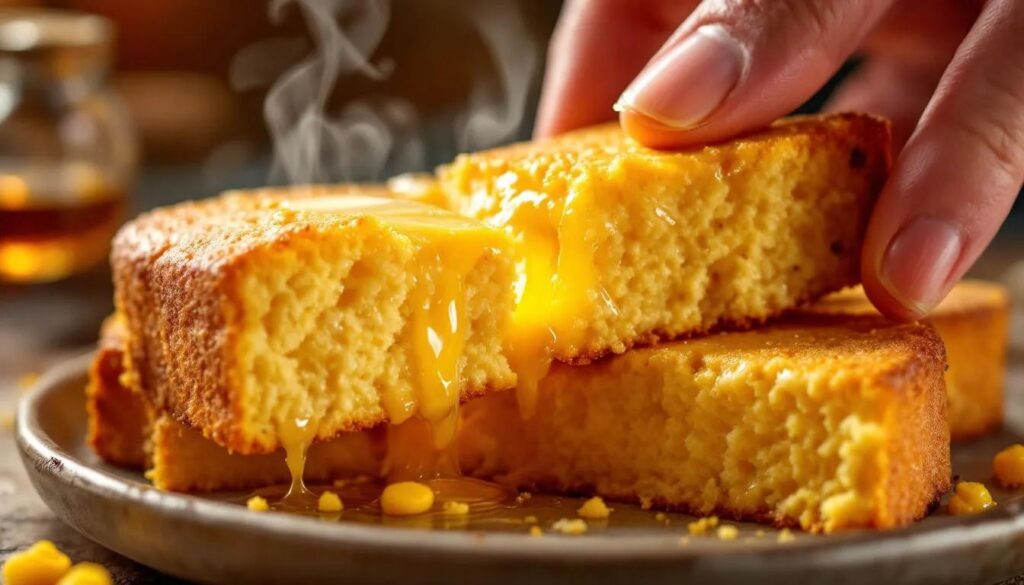
There's a quiet moment in every great Southern meal when the server sets down a cast-iron skillet, a ceramic crock, or a humble paper-lined basket, and everything else on the table becomes secondary. That moment belongs to cornbread. Not the pale, crumbly square from a box mix, not the afterthought wedge sweating beside a bowl of chili — but real cornbread, the kind that carries the memory of stone-ground meal, rendered fat, and a well-seasoned pan passed down through generations. Spring 2026 is the right time to chase it: road trip season is opening up, farmers' markets are filling with early produce, and the American appetite for honest, regional cooking has never been sharper.
Across the country, a handful of restaurants have made cornbread the centerpiece — not a courtesy, not a filler, but a statement. Some lean into the austere, savory tradition of the Deep South; others fold in fresh spring herbs, local honey, or house-churned cultured butter that transforms a simple quick bread into something worth building a reservation around. Eight of them, spread from Appalachia to the Texas Hill Country to the Pacific Northwest, are doing it better than anyone else right now. Here's where to go, and why the drive is worth every mile.
Why cornbread became America's most misunderstood bread
Cornbread's story is inseparable from the story of the American South, and from the Indigenous peoples — the Cherokee, Muscogee, Choctaw, and many others — who cultivated and ground corn long before European contact. The bread they produced from dried, stone-ground cornmeal was dense, unsweet, and cooked directly on hot stones or in clay vessels. When enslaved African cooks took over plantation kitchens, they refined these techniques with cast-iron pans and wood-fired hearths, developing the crackling crust and tender, steaming interior that define the classic skillet cornbread still revered across the South today.
The North-South divide over sugar is real and has been contentious for over a century: Southern purists insist that sugar has no place in cornbread, treating it as a corruption that nudges the bread toward cake territory. Northern and Midwestern versions — softer, sweeter, baked in square pans — reflect a different culinary inheritance, shaped by different corn varieties and different relationships to the grain. Neither is wrong. But the restaurants on this list each have a point of view, and knowing theirs makes eating their cornbread a richer experience.
The eight restaurants
1. Minnie Bell's Soul Movement — Emeryville, California
Chef Fernay McPherson's cornbread arrives in a cast-iron skillet, crackling at the edges and golden across the top, with a crumb so open and tender it seems to breathe when you pull it apart. The fat of choice is a combination of butter and chicken fat, which gives the crust a savory, almost meaty depth unusual for a bread that is otherwise restrained and balanced. In spring, she sometimes swirls in a tablespoon of local wildflower honey sourced from the East Bay hills — just enough to round the edges without tipping into sweetness. The cultured butter served alongside is made in-house and flecked with sea salt. McPherson, who built her name at Oakland farmers' markets before opening a brick-and-mortar, understands that cornbread is a vehicle for memory as much as flavor.
2. Husk — Nashville, Tennessee
Sean Brock's former flagship, now helmed by a rotating cast of Southern-focused chefs committed to his founding philosophy, remains one of the most ingredient-driven cornbread experiences in the country. The meal here is sourced from Anson Mills, a South Carolina grain purveyor that has spent decades reviving heirloom corn varieties nearly lost to industrial agriculture. The bolted — lightly sifted — stone-ground meal produces a crumb with a slightly coarser, more mineral-forward quality than commercial cornmeal, and a flavor that actually tastes of corn. No sugar. A hot, seasoned cast-iron pan gives the bottom a crust that audibly cracks when you press it with a fork.
3. Leah's Kitchen — New Orleans, Louisiana
Leah Chase's legendary restaurant on Dryades Street continues under family stewardship, and the cornbread served here carries the full weight of New Orleans Creole cooking: a touch of jalapeño folded into the batter, a shine of clarified butter painted on straight from the oven, and a color so deep gold it reads almost amber under the dining room lights. The bread is baked in individual muffin molds rather than a skillet, which gives each piece a complete crust — top, sides, and bottom — and a ratio of crust to crumb that makes the heat-crackle audible on the first bite. It is served beside red beans and rice and fried chicken that have earned their own devoted pilgrimages.
4. Tupelo Honey — Asheville, North Carolina
Appalachian cornbread has its own logic, and this Asheville institution interprets it generously without losing the thread. The version here uses a combination of white and yellow stone-ground cornmeal, which produces a paler crumb and a slightly nuttier finish than all-yellow versions. A swirl of local tupelo honey — the restaurant's namesake, sourced from Florida Panhandle beekeepers — is baked into the top rather than stirred through the batter, creating a caramelized, slightly sticky surface that contrasts with the dry, savory interior beneath. Spring menus bring ramp butter as an accompaniment: a compound made with wild ramps foraged from the Blue Ridge slopes, sharp and green and perfect against the sweet crust.
5. Louie Mueller Barbecue — Taylor, Texas
In Taylor, Texas, forty miles northeast of Austin, barbecue pilgrims have been making the drive to Louie Mueller since 1949. The cornbread served here is not delicate. It is thick, dark at the bottom from a pan that has been in continuous use for decades, and built to stand up to the rendered beef fat and smoke that permeate everything in the building. The recipe has not changed in any meaningful way since the Mueller family opened the doors. There is no honey, no jalapeño, no cultured butter — just stone-ground yellow meal, buttermilk, a little lard, and heat. The crust is mahogany, which in cornbread terms means the Maillard reaction has been pushed as far as it can go without burning, producing flavors that hover between toasted corn and caramel without committing to either.
6. The Grey — Savannah, Georgia
Housed in a restored 1938 Greyhound bus terminal, The Grey brings a contemporary fine-dining sensibility to Lowcountry ingredients without abandoning the coastal Georgia kitchen that shaped those ingredients. Chef Mashama Bailey's cornbread — which has been part of the menu since opening and has become something of a signature — is enriched with cultured buttermilk and finished with a spoonful of Savannah Bee Company honey and smoked sea salt on top. The batter is thinner than most, which produces a crumb that is almost pudding-like at the center, firm only at the edges where the cast iron has done its work. In spring, the kitchen occasionally folds in chopped spring onions and a pinch of dried shrimp, a Lowcountry technique that pushes the bread decisively toward the savory.
7. Big Jones — Chicago, Illinois
Paul Fehribach's Chicago restaurant has long been one of the most intellectually serious Southern kitchens outside the South, and his cornbread reflects that rigor. The recipe draws on antebellum Southern cookbooks — Fehribach is an avid culinary historian — and uses a high proportion of stone-ground cornmeal with just enough flour to provide structure without softening the corn flavor. The bread is cooked in individual cast-iron skillets, brought to the table still in the pan, and arrives with a pat of house-made lard-and-butter blend that melts on contact. Chicago winters are long, and the restaurant's spring menu begins incorporating rhubarb and early alliums into the compound butter accompaniment as the season shifts — a small detail that signals how carefully the kitchen tracks the calendar.
8. Bullard — Dallas, Texas
Chef Richard Sandoval's Texas barbecue-focused restaurant in Dallas leans hard into the Hill Country tradition of bold flavors and generous portions, and the jalapeño-cheddar cornbread served here is one of the most textured versions on this list. The batter incorporates roasted and minced fresh jalapeños — not pickled, not powdered — along with a full cup of shredded aged white cheddar, which creates pockets of molten cheese scattered throughout the crumb. The top is brushed with honey butter immediately out of the oven and scattered with flaky salt. The contrast of heat, fat, salt, and sweet produces something that functions as both a bread course and a side dish, and that holds its own against the beef ribs and brisket it accompanies.
What to look for in great cornbread
The crust is the first indicator. A properly made skillet cornbread develops a bottom crust through direct contact with a preheated, well-seasoned cast-iron pan: the exterior should be audibly crisp, a shade darker than the interior, and should release cleanly from the pan without tearing. A pale, soft bottom suggests the pan was cold when the batter went in, or that the cooking fat was insufficient.
The crumb matters almost as much. Stone-ground cornmeal retains the germ and bran of the corn kernel, which means more flavor, more fat, and a slightly coarser texture than degerminated commercial cornmeal. A crumb made with quality stone-ground meal will be slightly denser, more moist, and more aromatic — the difference is detectable in the first bite, particularly when the bread is still warm.
Fat choice shapes everything else. Lard produces the most distinctly savory, crackle-forward crust. Bacon drippings add a smoky undertone. Butter brings richness and a more delicate flavor. Some of the best versions on this list use a combination, finding a balance that suits the regional style they're working within.
Planning the drive
Several of these restaurants require a reservation well in advance — The Grey and Husk in particular fill quickly, especially as spring travel picks up in March and April. Louie Mueller operates on a first-come, first-served basis and sells out of brisket and ribs early, sometimes by early afternoon on weekends. The cornbread at most of these establishments is available as a starter or a side, and at a few it can be ordered on its own. If you are building a cornbread road trip through the South — a route connecting Asheville, Nashville, Savannah, New Orleans, and the Texas stops is achievable in a week — call ahead, go early, and arrive hungry.
Spring is an ideal time for this kind of eating. The weather is mild enough for long drives with the windows down, farmers' markets along the route are carrying early asparagus, spring onions, and the first strawberries of the year, and the restaurant kitchens are shaking off winter menus and reaching for brighter, greener accompaniments. The cornbread itself doesn't change with the season — its bones are ancient and fixed — but everything around it does, and that contrast between the timeless and the immediate is part of what makes it worth the drive.
Frequently asked questions
What makes southern cornbread different from northern cornbread?
Southern cornbread is traditionally made with little or no sugar, using white or yellow stone-ground cornmeal, and cooked in a preheated cast-iron skillet with lard or bacon drippings. The result is savory, crunchy at the edges, and dense in the crumb. Northern and Midwestern versions typically include sugar or honey, use a finer commercial cornmeal, and are baked in square pans or muffin tins, producing a softer, sweeter bread that is closer in texture to cake. Both traditions are legitimate and have deep regional roots; the distinction is a matter of culinary heritage rather than quality.
Why do most great cornbread recipes insist on cast iron?
Cast iron retains heat exceptionally well and distributes it evenly across the cooking surface. When a cast-iron skillet is preheated in the oven and then coated with hot fat before the batter is poured in, the batter begins cooking immediately on contact, producing the characteristic dark, crackling bottom crust that distinguishes skillet cornbread from pan-baked versions. A cold pan or a non-reactive baking dish cannot replicate this effect. The seasoning built up on a well-used cast-iron pan also contributes a subtle flavor that accumulates over years of use.
Is stone-ground cornmeal worth seeking out?
Stone-ground cornmeal retains the germ and bran of the corn kernel, which carry the majority of the grain's fat, fiber, and flavor compounds. Commercially degerminated cornmeal, which makes up the bulk of what is sold in supermarkets, is shelf-stable but has a significantly flatter, less complex flavor. Stone-ground meal should be stored in the refrigerator or freezer after opening because its fat content makes it prone to rancidity. Producers like Anson Mills, Kenyon's Grist Mill, and Geechie Boy Mill supply stone-ground meal by mail and to specialty grocery stores nationwide.
Can cornbread be made ahead for a road trip or picnic?
Cornbread is best eaten within an hour of baking, when the crust is still crisp and the crumb is warm and steaming. That said, it holds reasonably well for up to 24 hours wrapped loosely in a clean kitchen towel at room temperature — avoid airtight wrapping, which softens the crust. To refresh day-old cornbread, place it directly on the rack of a 375°F oven for 8 to 10 minutes; the crust will regain much of its crackle. For longer storage, wrap tightly and freeze for up to one month, then reheat directly from frozen in a 350°F oven for 15 minutes.
Do any of these restaurants offer a vegetarian or gluten-free version of their cornbread?
Pure cornmeal is naturally gluten-free, but most cornbread recipes include a small proportion of all-purpose flour for structure, which disqualifies them for strict gluten-free diets. Some of the restaurants listed — including Big Jones and The Grey — are experienced at accommodating dietary restrictions and can often adjust the recipe on request; it is worth calling ahead. Several versions on this list are made with lard or bacon fat, which makes them unsuitable for vegetarians, but butter-based versions (Minnie Bell's, Husk) are generally suitable. Confirming with each restaurant directly before visiting is the most reliable approach.