

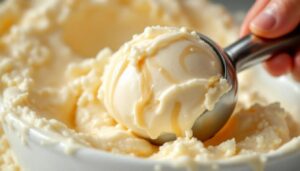

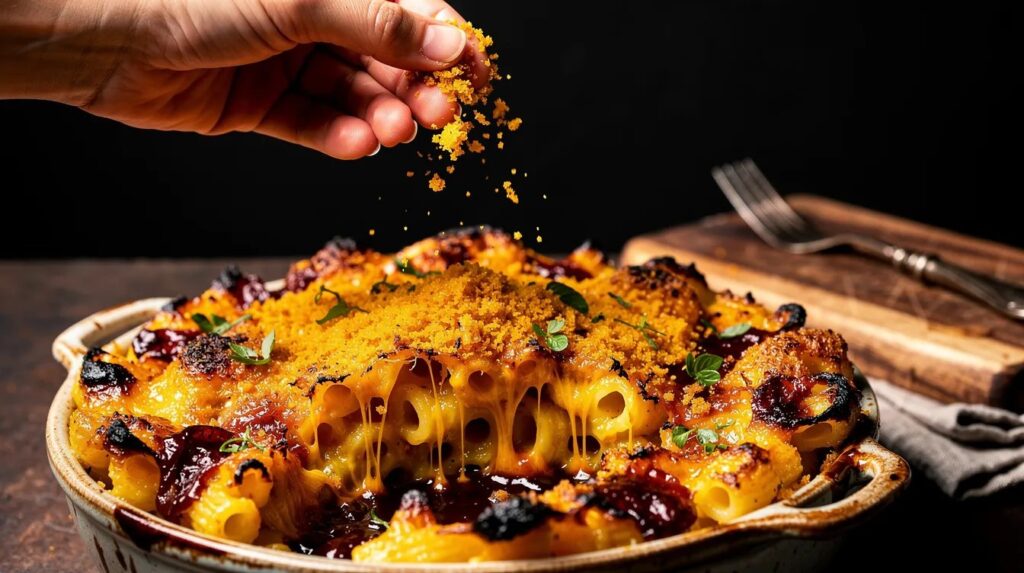
Mac and cheese occupies a unique space in American food culture, a dish of nostalgia that truly satisfies on a chilly spring evening when the weather is indecisive. Whether your childhood memories involve the boxed version cooked on the stovetop or your grandmother's baked creation straight from the oven, this dish holds significant meaning. However, nostalgia can only go so far, which is why these 15 macaroni and cheese recipes push beyond the familiar. They incorporate bolder cheeses, unexpected textures, and techniques that elevate each bite, making it more deliberate and more satisfying than you remember.
This collection offers everything from a smooth stovetop version built on a proper béchamel sauce to a smoky baked mac with a crunchy topping that remains intact when sliced. It caters to all cravings and skill levels. Some recipes require less than 30 minutes, while others demand patience but offer a generous reward. Certain recipes draw inspiration from global flavors like hot honey, truffle, hatch chiles, and miso, while staying true to the core elements that make this dish successful: quality pasta, well-seasoned cheese sauce, and an understanding of how heat affects the ingredients. March is an ideal time to try them all, when comfort food is still appealing but you're eager to explore something new.
| Recipes | 15 variations |
| Skill levels | Beginner to Intermediate |
| Fastest recipe | 20 minutes |
| Most complex recipe | 75 minutes |
| Season | Early spring — comfort food transitional window |
| Cost range | $ to $$$ |
Why These Recipes Go Further Than the Classic
The standard mac and cheese — elbow pasta, processed American cheese, milk, butter — works because it's designed to be foolproof. But foolproof often means sacrificing flavor for consistency. The recipes below offer different approaches. They build roux properly to prevent the sauce from separating. They layer cheeses with varying melting points and fat contents, creating a depth that single-cheese versions can't achieve. They season at every stage instead of just adding salt at the end. These details elevate a simple bowl of mac and cheese into a dish worth savoring.
The 15 Recipes, Explained
1. Classic Stovetop Mac with Sharp Cheddar and Gruyère
This is the foundational recipe — the one to master before exploring variations. A roux (equal parts butter and flour cooked together until it has a toasted bread aroma) forms the base. Warm whole milk is added to ensure smooth incorporation. Sharp cheddar offers a distinct bite, while Gruyère contributes nuttiness and a smooth, elastic melt. The sauce should thickly coat the back of a spoon. Elbow macaroni, cooked slightly less than the package directions suggest, finishes cooking in the sauce and absorbs any remaining starch. The result is a cohesive, not soupy, dish.
2. Extra-Crispy Baked Mac with Breadcrumb Crust
The baked version needs one thing the stovetop version doesn't: patience. Make the cheese sauce slightly thinner than you think it needs to be — it will thicken as it bakes. Transfer to a buttered baking dish, top with a mixture of panko breadcrumbs, melted butter, and a pinch of cayenne, and bake at 375°F (190°C) until the surface is deeply golden and the edges pull away from the dish. The crust should be brittle and easily broken with a spoon, revealing creamy pasta underneath thanks to the trapped steam.
3. Smoked Gouda and Bacon Mac
Smoked Gouda melts into a sauce reminiscent of slow-and-low barbecue, even without a smoker. Render thick-cut bacon until the fat is almost entirely extracted, then use a tablespoon of that fat instead of butter in the roux for a savory depth that complements every other ingredient. Garnish with crispy bacon before serving. This pairs well with a cold lager or off-dry Riesling.
4. Truffle Mac with Fontina and Parmesan
Truffle oil can be polarizing, particularly if synthetic, smelling artificial. Use it sparingly as a finishing drizzle, never cooked directly into the sauce. The base uses Fontina, known for its excellent melting properties and mild, buttery flavor, which is enhanced by aged Parmesan stirred in once the dish is off the heat. No more than ½ teaspoon per serving of good truffle oil is enough. Serve this elevated version as a dinner party starter in small ramekins.
5. Hatch Chile Mac
Roasted Hatch green chiles — available canned year-round, fresh in late summer — are folded into a pepper Jack and Monterey Jack sauce, creating a slowly building heat from the back of the throat. Char the chiles over a gas flame or under a broiler until the skin blisters black, then steam in a covered bowl for ten minutes before peeling. The flesh is smoky, sweet, and mild enough for those sensitive to spice. This recipe embraces its Southwestern inspiration without apology.
6. Miso Brown Butter Mac
Brown butter — beurre noisette, butter cooked until the milk solids toast to a hazelnut color — replaces plain butter in the roux. White miso paste, whisked into the warm milk before adding it to the roux, provides fermented saltiness that minimizes the need for additional seasoning. White cheddar and cream cheese combine to provide body and tang. The baked crust is skipped and served immediately, allowing the sauce to remain fluid.
7. Lobster Mac for Special Occasions
Two steamed lobster tails provide more than enough for this recipe. Chop into sizable pieces and fold into a sauce made from Gruyère, white cheddar, and a splash of dry sherry added to the roux after the butter melts. The sherry cooks off quickly, leaving a brightness that cuts through the richness of the cheese. Bake uncovered at 400°F (205°C) for approximately twelve minutes until the top is barely colored. Serve in the baking dish. While pricier, the occasion will certainly justify it.
8. Vegan Mac with Cashew Cream and Nutritional Yeast
Raw cashews soaked overnight and blended with water, lemon juice, garlic, and nutritional yeast create a dairy-free sauce that is remarkably creamy. Nutritional yeast offers depth and savory, cheese-like flavor making this dish satisfying and not just a substitute for the real thing. Add smoked paprika for color and complexity. The texture is thicker than a dairy sauce, so thin with pasta water. What makes this recipe work is its acceptance of what it is; no pretenses.
9. Three-Cheese Pull-Apart Mac Cups
Baked in a muffin tin, these individual mac cups increase the crust-to-pasta ratio. Press each firmly and top with cheddar, mozzarella, and pecorino before baking for optimum browning. After resting for five minutes, they release cleanly. Serve as a side or appetizer. They're easy for children to handle, while adults will surely appreciate the crust's geometry.
10. Buffalo Chicken Mac
Shredded rotisserie chicken is folded into a blue cheese and sharp cheddar sauce and finished with Frank's RedHot and thinly sliced celery for crunch and freshness. The hot sauce is added directly into the cheese sauce, so the heat is distributed evenly. It is important to achieve the right balance; too much hot sauce will overwhelm the cheese, while too little will simply taste like chicken mac. A good starting point is 3 tablespoons per pound of pasta.
11. French Onion Mac
Caramelized onions require patience — roughly 45 minutes over medium-low heat, stirring often, until they collapse into a jammy, sweet consistency. This transforms the Gruyère and Emmental cheese sauce into a dish reminiscent of classic French bistro soup. Top with toasted baguette croutons and an extra handful of Gruyère, then broil for about two minutes until the cheese bubbles. Serve immediately, before the croutons soften.
12. Jalapeño Popper Mac
Fresh jalapeños, seeded and diced, are lightly cooked in butter before building a roux in the same pan, allowing the pepper oils from the bottom of the skillet to infuse into the roux. Cream cheese and sharp cheddar create the creamy base. The finished dish is topped with crushed Ritz crackers mixed with melted butter — their buttery saltiness cuts through the heat — and baked until golden. A variation of this dish has been circulating at potlucks for years, but this recipe has better ratios.
13. Mac and Cheese Soup
This is a looser take on the concept: a roux-based soup made with chicken stock and whole milk, loaded with elbow macaroni cooked directly in the broth, and finished with white cheddar stirred in after the heat is off. The pasta releases starch into the soup, creating body without the need for additional thickening agents. Diced carrots and celery offer added structure. Serve with crusty bread. This recipe is perfectly suited for March evenings still carrying a chill.
14. Mac and Cheese Stuffed Peppers
Bell peppers are halved lengthwise and roasted at 425°F (220°C) for about fifteen minutes until slightly softened, creating edible vessels for a compact, well-seasoned mac and cheese filling. The cheese sauce here is typically thicker to maintain its shape inside the pepper; this is achieved by increasing the flour in the roux slightly and decreasing the milk. Top with crushed crackers and return to the oven for ten minutes. The pepper offers sweetness and structure that results in a complete meal rather than just a side dish.
15. Hot Honey Mac with Crispy Prosciutto
Hot honey — honey infused with chili flakes or cayenne — is drizzled over a sharp cheddar and cream cheese base right before serving, creating a harmonious blend of sweet, spicy, and savory flavors. Prosciutto slices are laid flat on a parchment-lined baking sheet and crisped at 375°F (190°C) for about eight minutes. The delicate, salty fragments scatter over the top. No added salt is needed since the prosciutto takes care of it. This recipe is often the most requested at dinner parties.
Cheese Selection: What Actually Matters
Cheese choice determines the texture and flavor of the sauce. High-moisture cheeses like fresh mozzarella can make the sauce too runny if used in large quantities. Aged hard cheeses like Parmesan or aged Gouda offer flavor in small doses, but can lead to a gritty sauce if used as the primary melting cheese. The most reliable mac and cheese cheeses are sharp cheddar, Gruyère, Fontina, white American, and cream cheese — each melts smoothly and provides predictability. The principle behind almost all recipes above is combining strongly flavored cheese with a smooth-melting, neutral cheese.
Block cheese, grated by hand just before use, melts cleaner than pre-shredded cheese. Pre-shredded cheese contains anti-caking agents that interfere with emulsification, often resulting in a grainy or separated texture. Using a box grater only requires two minutes to avoid this issue entirely.
Pasta Shape: Beyond the Elbow
Elbow macaroni is the standard, but cavatappi, shells, and rigatoni all interact with cheese sauce differently. Shells trap liquid within their concave shape resulting in small pockets of sauce. Cavatappi's spiral shape increases the surface area for the sauce to cling to. Rigatoni, often used in baked versions, maintains better form under high heat. Regardless of shape, cook the pasta for approximately two full minutes less than package directions. It will finish cooking in the sauce or oven.
My Chef's Tip
One common mistake is adding cold dairy to a hot roux. If the temperature drops suddenly on account of this, the starch will seize unevenly causing lumps that cannot be fully resolved with whisking. Warm milk in a separate saucepan — or even the microwave — until steaming, and then add slowly while stirring. The result will be a smooth sauce. In early spring, fresh goat cheese appears at farmers' markets and a tablespoon stirred in off the heat results in a grassy, tangy note that complements the cheddar.
Pairings for Mac and Cheese
Mac and cheese is a rich, starchy dish that coats the palate. Pairings that cut through fat and acidity work best by balancing creaminess.
Pair baked versions with a crispy crust with a glass of unoaked Chardonnay from California or dry Riesling from Alsace. For spicier versions — Buffalo, jalapeño popper, hatch chile — an off-dry sparkling wine or cold pilsner will reset the palate. Sparkling water with lemon or strong, unsweetened iced tea have a similar effect as non-alcoholic options. Avoid anything sweet or creamy alongside the dish; it will only intensify the richness without contrasting it.
The American History of Mac and Cheese
Macaroni and cheese has been documented in American cookbooks since at least the late 18th century in a recipe attributed to James Hemings (Thomas Jefferson's enslaved chef, who learned pasta-making techniques in France) appearing in household records from Monticello. It transitioned to working-class staple from upper-class tables during the Great Depression, when Kraft introduced its boxed version in 1937. Priced at 19 cents each, it sold 8 million boxes in its first year. The association between mac and cheese and American comfort became permanent from that point forward.
Over the last couple decades, a resurgence of interest in scratch-made versions has run parallel to a wider return to basic cooking techniques like understanding how a roux works, why cheese separates, and why some pastas hold sauce better than others. The 15 recipes above are somewhere between Kraft and fine dining: accessible, thoughtful, and designed to produce results that make everything feel worthwhile every time.
Nutritional values (per serving, approximate values — based on classic stovetop cheddar version)
| Nutrient | Amount |
|---|---|
| Calories | ~520 kcal |
| Protein | ~22 g |
| Carbohydrates | ~55 g |
| of which sugars | ~6 g |
| Fat | ~24 g |
| Saturated fat | ~14 g |
| Fiber | ~2 g |
| Sodium | ~680 mg |
Frequently Asked Questions
Can these mac and cheese recipes be made ahead of time?
Stovetop versions taste best when made fresh, as the sauce tightens while cooling and reheating usually necessitates additional milk being added to the right consistency. Baked versions work better for make-ahead meals. Assemble completely, cover tightly with foil, and refrigerate before baking for up to 24 hours. Add 10 to 15 minutes to the baking time if going straight from refrigerator to oven. Remove the foil for the last ten minutes, allowing the crust to crisp up.
How do you reheat mac and cheese without it drying out?
The answer is to reintroduce moisture that was lost while cooking. Mix two tablespoons of whole milk per cup, and gently reheat on the stovetop. Alternatively, microwave in 45-second increments while covering with a damp paper towel. High-heat reheating damages the sauce's emulsion, resulting in a greasy end product that can't be restored with stirring.
What's the best way to prevent a grainy or broken cheese sauce?
Add cheese to a sauce that is too hot (above 180°F / 82°C), introduce pre-shredded cheese with additives, or use aged hard cheeses exclusively. One should remove the sauce from heat prior to adding cheese, grate a block of the cheese, or blend a smooth, sharp cheese like Fontina or American. Furthermore, a teaspoon of sodium citrate can stabilize a sauce that breaks easily.
Which of these 15 recipes works best for feeding a large crowd?
The extra-crispy baked mac will adequately address a large gathering. The French onion mac and smoked gouda and bacon mac both work well for groups because the recipes can be completed hours in advance. The stovetop versions should work best for six or less to maintain the flavor and consistency.
Is there a gluten-free version that works as well as the standard recipe?
Rice-based and chickpea-based elbows and cavatappi maintain the cooking process. To accommodate gluten allergies, cook all-purpose flour at a 1:1 ratio or cornstarch at half the quantity. Because the sauce will thicken faster, avoid excess heat. However, this recipe may be a better alternative to the other recipes.