



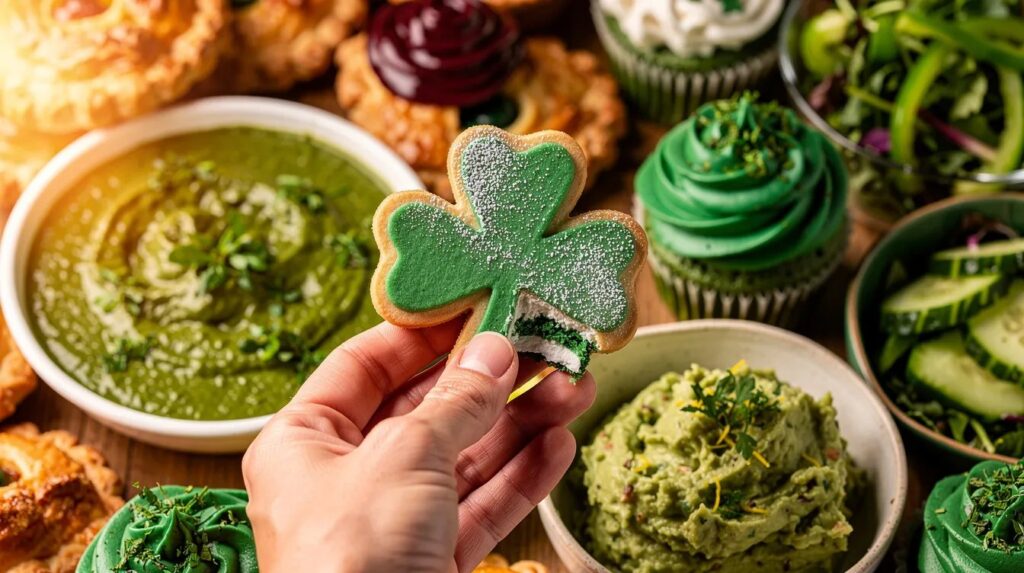
Every mid-March, American kitchens catch the green fever. St. Patrick's Day is no longer just a parade and a pint — it has become one of the most food-forward holidays of the early spring calendar, with tables dressed in shamrock colors and menus stretching far beyond corned beef. Whether you are hosting a crowd or cooking for two, the challenge is always the same: how do you honor the tradition without repeating the same tired plate year after year?
These 17 recipes answer that question with range and intention. From the classic Irish-American staples that anchor every celebration to vibrant green dishes that make the holiday impossible to miss, this collection covers appetizers, mains, sides, drinks, and desserts. Some lean into heritage; others lean into the season, drawing on the early spring produce — bright herbs, tender peas, young spinach, fresh chives — that arrives just as the calendar tips toward warmth. Tie on your apron and let the green parade begin.
The irish-american classics you cannot skip
1. Slow-cooked corned beef and cabbage
The anchor of every St. Patrick's Day spread in the United States, corned beef and cabbage is more Irish-American than Irish — born from the immigrant experience of the 19th century, when brisket brined in salt replaced the pricier cuts of the old country. The method is low and slow: a 3 to 4 lb flat-cut brisket goes into the slow cooker with whole peppercorns, bay leaves, mustard seeds, and enough water or stout beer to cover. Cook on low for 8 to 9 hours. Add quartered cabbage wedges, halved red potatoes, and thick-cut carrots in the final 2 hours so they soften without turning to mush. The braising liquid becomes a savory broth worth ladling over everything at the table. Slice the brisket against the grain — this is non-negotiable for tenderness — and serve with whole-grain mustard and a sharp horseradish cream.
2. Traditional irish soda bread
No yeast, no waiting, no mystery. Irish soda bread relies on the chemical reaction between buttermilk and baking soda to produce a dense, slightly tangy crumb with a thick crust that cracks at the score marks on top. The base is simple: 4 cups all-purpose flour, 1 tsp baking soda, 1 tsp salt, and 1¾ cups buttermilk. Work the dough as little as possible — overworking develops gluten and toughens the loaf. Shape into a round, score a deep cross into the top (an old tradition to let the fairies out, the story goes), and bake at 425°F for 30 to 35 minutes until the base sounds hollow when tapped. For a richer version, add raisins, caraway seeds, and a tablespoon of melted butter to the dough. The loaf is best eaten the day it is made, still slightly warm, with cold butter.
3. Dublin coddle
Less photographed than corned beef but arguably more authentic, Dublin coddle is a one-pot working-class dish built from pork sausages, smoked bacon, onions, and potatoes layered and simmered together in a light broth. The name comes from the gentle heat — a coddle rather than a boil, which keeps the sausages from splitting and the potatoes from breaking apart. Layer sliced onions on the bottom of a heavy pot, then alternate layers of halved sausages, thick-cut bacon, and potato rounds. Pour over 2 cups of chicken or pork stock, cover tightly, and cook at 300°F for 1.5 to 2 hours. Finish with a heavy hand of freshly cracked black pepper and flat-leaf parsley. It is humble food, deeply satisfying, and the kind of dish that improves overnight.
The green parade: color-forward dishes
4. Spinach and herb deviled eggs
Standard deviled eggs get a St. Patrick's Day makeover when the yolk filling is blended with fresh baby spinach, chives, and a touch of Dijon mustard. The green seeps into the mixture naturally — no food coloring needed. Boil 12 large eggs to hard-set (12 minutes from boiling water, then immediately into an ice bath), peel, halve, and scoop the yolks. Blend the yolks with 3 tablespoons mayonnaise, 2 tablespoons Greek yogurt, a small handful of blanched spinach squeezed dry, 1 tablespoon Dijon, salt, and white pepper. The result is a pale jade cream that pipes cleanly into the whites. Garnish with thinly sliced chives and a pinch of smoked paprika for contrast. These disappear fast at any table.
5. Guacamole with green tortilla chips
Green already, festive by default. A well-made guacamole needs ripe avocados — the flesh should give under gentle thumb pressure without feeling waterlogged — and restraint. Mash 4 ripe Hass avocados with a fork, leaving some texture. Fold in the juice of 2 limes, ½ finely diced white onion, 1 to 2 jalapeños seeded and minced, a small bunch of cilantro chopped, and 1 teaspoon fine salt. Taste before adding anything else: the lime and salt levels will determine everything. Press plastic wrap directly against the surface to prevent oxidation, and refrigerate until ready to serve. Pair with spinach-based green tortilla chips for full color commitment.
6. Green pea and mint crostini
Spring arrives with sweet peas, and this crostini makes the most of them. Blanch 2 cups fresh or frozen peas for 2 minutes, then shock in ice water to lock in the color. Pulse in a food processor with 2 tablespoons extra-virgin olive oil, the zest of 1 lemon, a small handful of fresh mint, 1 garlic clove, salt, and pepper — the goal is a rough, textured spread, not a smooth purée. Toast slices of a sourdough baguette until golden at the edges. Spread generously, then top with shaved Pecorino Romano, a drizzle of olive oil, and a few fresh mint leaves. This is an early-spring appetizer with real brightness, and it doubles as a side dish if you skip the bread and serve the pea spread alongside lamb.
7. Emerald green pasta with kale pesto
Kale pesto carries a deeper, more assertive green than its basil counterpart — and that intensity is exactly what this dish needs. Blanch 2 packed cups of Tuscan kale (ribs removed) for 90 seconds, shock in ice water, and squeeze out as much liquid as possible. Blend with ¼ cup toasted pine nuts, 1 garlic clove, ½ cup Parmesan, ⅓ cup good olive oil, the juice of half a lemon, salt, and a pinch of red pepper flakes. Toss with 1 lb cooked spaghetti or linguine, adding a splash of pasta water to loosen the sauce to a consistency that clings without clumping. The pesto keeps in the refrigerator for up to 4 days under a thin film of olive oil. Serve with extra Parmesan and a few toasted pine nuts scattered over the top.
8. Shamrock-shaped caprese salad
A simple idea executed with a small cookie cutter. Use a 3-inch shamrock or clover cookie cutter to press shapes from thick-sliced fresh buffalo mozzarella. Alternate the shamrock rounds on a long platter with thinly sliced heirloom tomatoes and fresh basil leaves. Drizzle generously with extra-virgin olive oil and aged balsamic glaze, then finish with flaky sea salt and cracked black pepper. It is a presentation trick that costs almost no extra effort and gets exactly the reaction you want from guests. The flavor profile is unchanged — it is simply given a stage.
Hearty mains and festive sides
9. Shepherd's pie with whipped potato crust
Shepherd's pie belongs in this collection not as an afterthought but as one of the most satisfying cold-weather-to-spring-transition dishes in the Anglo-Irish culinary canon. Brown 1.5 lbs ground lamb in a heavy oven-safe skillet with diced onion, carrots, celery, and garlic until the vegetables soften and the meat develops color. Stir in 2 tablespoons tomato paste, 1 tablespoon Worcestershire sauce, 1 cup beef or lamb stock, and 1 cup frozen peas. Simmer until the liquid reduces to a thick, glossy sauce. Top with a generous layer of whipped Yukon Gold potatoes made with butter, warm cream, and a handful of chopped chives. Run a fork over the surface to create ridges that brown under the broiler. Bake at 375°F for 25 minutes, then broil for 3 to 5 minutes until the crust is golden-tipped.
10. Beer-braised lamb stew
Early spring is peak lamb season in the United States, and a stout-braised stew leans into both the Irish heritage and the seasonal calendar with conviction. Sear 2 lbs bone-in lamb shoulder pieces in batches in a Dutch oven until deeply browned on all sides — resist the urge to crowd the pan or the meat steams instead of sears. Remove the lamb and cook diced onion, garlic, and thyme in the same fat until softened. Deglaze with one 12 oz bottle of Irish stout, scraping up all the browned bits. Return the lamb, add 2 cups beef stock, diced turnips, and baby potatoes, and braise at 325°F, covered, for 2 hours. Finish with fresh parsley and a squeeze of lemon to lift the richness.
11. Colcannon
Colcannon is the Irish potato dish that puts mashed potatoes to shame. It is simpler than it sounds: Yukon Gold potatoes boiled and mashed with a generous amount of melted butter and warm cream, then folded with sautéed kale or green cabbage and thinly sliced scallions. The kale should be wilted but not overcooked — it needs to hold its color and its slight bite against the softness of the potato. Season aggressively with salt and white pepper. Serve with a well of extra butter melting in the center. Colcannon has its own Irish song and its own legend: a ring hidden inside the dish was said to predict marriage for whoever found it. The tradition is optional. The butter is not.
12. Boxty (irish potato pancakes)
Half mashed potato, half grated raw potato — boxty sits at a textural crossroads that produces a pancake with a crispy, lacy exterior and a dense, starchy interior unlike any standard flapjack. Combine 1 cup mashed potato, 1 cup grated raw potato (squeezed very dry in a clean kitchen towel), 1 cup all-purpose flour, 1 beaten egg, and enough buttermilk to bring it to a thick batter. Season with salt and pepper. Cook in butter over medium heat in rounds about 4 inches wide, pressing them gently flat, until golden and set — about 4 minutes per side. Serve as a side dish to corned beef or top with sour cream, smoked salmon, and a scatter of chives for a more composed plate.
Drinks that go green
13. Shamrock shake (homemade)
The fast-food seasonal icon deserves a homemade version that tastes of actual mint rather than artificial sweetener. Blend 3 scoops good-quality vanilla ice cream with ½ cup whole milk, ½ teaspoon pure peppermint extract, and a handful of fresh spinach leaves. The spinach provides the green color completely without altering the flavor — the mint extract dominates. Blend until the green is uniform and the shake is thick enough to coat a spoon. Pour into a chilled glass, top with whipped cream and a maraschino cherry, and serve immediately before the color begins to fade. For an adult version, add 2 oz crème de menthe and skip the cherry.
14. Green margarita with jalapeño and cucumber
Cucumber and jalapeño push this margarita firmly into green territory — visually and in flavor. Muddle 4 to 5 thin cucumber slices and 2 jalapeño slices (seeds removed for moderate heat) in a cocktail shaker. Add 2 oz blanco tequila, 1 oz fresh lime juice, ¾ oz triple sec, and ½ oz simple syrup. Fill with ice and shake vigorously for 20 seconds. Double-strain over fresh ice in a salt-rimmed glass — using a fine mesh strainer here removes the cucumber pulp and produces a cleaner drink. Garnish with a thin cucumber wheel and a small jalapeño ring. This is a sharper, more interesting cocktail than its neon-dyed competitors.
15. Matcha lemonade
A non-alcoholic option with genuine flavor and a deep, natural green that earns its place on the table. Whisk 1 teaspoon ceremonial-grade matcha with 2 tablespoons hot (not boiling) water until smooth and frothy — a small bamboo whisk works best, but a milk frother handles the job equally well. Combine with the juice of 2 lemons, 1 tablespoon honey or agave syrup, and 1½ cups cold sparkling water. Stir gently to keep some of the carbonation. Pour over ice and garnish with a thin lemon wheel. The bitterness of the matcha and the acidity of the lemon keep the drink from reading as sweet, making it a genuinely refreshing alternative to sugary green punches.
Desserts that close the feast
16. Pistachio pudding cake
Pistachio pudding cake is a Midwestern potluck legend and a St. Patrick's Day natural, arriving at the table in a shade of soft sage green without a drop of artificial color. The base is a doctored boxed cake — one box white or yellow cake mix combined with one 3.4 oz box instant pistachio pudding mix, 4 eggs, 1 cup sour cream, ½ cup vegetable oil, and ½ cup water. Beat until smooth and pour into a greased and floured Bundt pan. Bake at 350°F for 50 to 55 minutes until a skewer comes out clean. Cool in the pan for 15 minutes before inverting. Dust with powdered sugar or drizzle with a simple cream cheese glaze. The texture is dense, moist, and faintly nutty.
17. Baileys irish cream chocolate mousse
The finale. Melt 6 oz good-quality dark chocolate (70% cacao minimum) over a double boiler and let it cool slightly. Whisk 3 egg yolks with 2 tablespoons sugar until pale, then fold in the melted chocolate. Add 3 tablespoons Baileys Irish Cream and stir until incorporated. In a separate bowl, whip 1½ cups heavy cream to soft peaks — not stiff, which would make the mousse gummy — and fold it into the chocolate mixture in two additions, working gently to preserve the volume. Spoon into serving glasses and refrigerate for at least 2 hours. Finish with a light dusting of cocoa powder and a small pour of Baileys at the table. It is unambiguously adult, deeply chocolaty, and the right note to end a St. Patrick's Day feast.
Planning the full menu
A table pulling from this collection does not need to reach for every recipe. A logical arc might look like this: pea and mint crostini or deviled eggs as guests arrive, colcannon or boxty alongside corned beef or lamb stew as the main event, a pitcher of green margaritas or matcha lemonade running through the evening, and the Baileys chocolate mousse as a proper close. Irish soda bread belongs at every stage — it is equally comfortable beside the appetizers, the stew, and the dessert.
The green theme is easier to sustain than it first appears, because early spring is generous with naturally green ingredients. Fresh peas, herbs, spinach, kale, avocado, cucumber, and chives are all at their best right now, and none of them require artificial enhancement to make the holiday color scheme work. The food does what it is supposed to do: it brings people to the table, keeps them there, and marks the moment as something worth celebrating.
Frequently asked questions
How far in advance can i prepare corned beef and cabbage?
Corned beef actually benefits from being made a day ahead. Cook it fully, let it cool in its braising liquid, then refrigerate overnight. The brisket will be easier to slice cleanly when cold, and reheating it in the reserved liquid at low heat keeps it moist. Add the cabbage, potatoes, and carrots fresh on the day of serving — they do not hold well and take only about 20 minutes to cook through in simmering broth.
What is the best irish stout to use for cooking?
Guinness Draught is the standard choice and widely available across the United States. Its roasted, slightly bitter profile adds depth to braises and stews without overwhelming the other flavors. Murphy's Irish Stout and Beamish are slightly smoother and lower in bitterness if you prefer a milder result. Avoid nitro-can stouts for cooking — the extra nitrogen affects the texture of sauces during reduction.
Can i make these dishes without alcohol?
Yes, with straightforward substitutions. Replace stout in braises with a combination of beef stock and 1 tablespoon of dark molasses to approximate the roasted depth. Skip the Baileys in the mousse and add an extra tablespoon of strong brewed espresso instead — the chocolate and coffee combination is equally compelling. The margarita works as a mocktail by replacing the tequila and triple sec with a combination of cucumber juice, lime, and a splash of sparkling water.
How do i keep green vegetables from turning gray when cooking?
The technique is called blanching and shocking: drop green vegetables into aggressively salted boiling water for 60 to 90 seconds, then transfer immediately to a bowl of ice water. The rapid temperature drop stops the cooking and sets the chlorophyll, locking in the color. This works for peas, spinach, kale, broccoli, and herbs. Avoid covering green vegetables while they cook — trapped steam turns acidic and dulls the color from inside the pot.
Which recipes on this list are suitable for vegetarians?
Several work without any modification: the green pea and mint crostini, the kale pesto pasta, the shamrock caprese salad, the colcannon (made with vegetable stock), the spinach deviled eggs, the guacamole, the matcha lemonade, the shamrock shake, and the pistachio pudding cake. The Baileys chocolate mousse can be made vegetarian by confirming your brand of Baileys — the standard formulation contains no meat products, though it does contain dairy.