
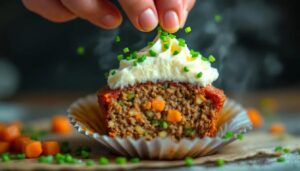
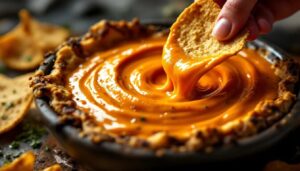
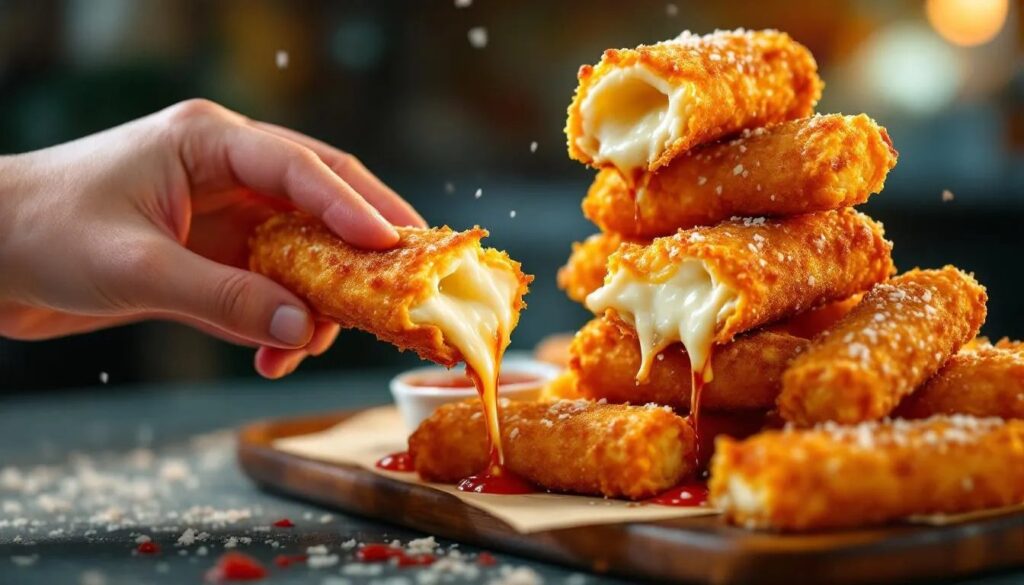
Opening day arrives on March 24, and with it comes one of the most anticipated rituals in American sports culture: the food. The smell of roasting peanuts, the snap of a hot dog casing, the sticky sweetness of a caramel-glazed pretzel — ballpark eating has always been part of the experience. But if you've spent $14 on a lukewarm nachos tray lately, you already know the stadium version rarely lives up to the memory. Early spring is the moment to reclaim that pleasure on your own terms, whether you're hosting a watch party, tailgating in the lot, or simply parked on the couch with the game on.
These ten snacks don't just replicate what you'd find behind the concession glass — they surpass it. Each one is built around bold flavor, satisfying texture, and the kind of freshness no stadium kitchen can deliver at scale. A few lean into the season: spring onions just hitting their stride, early herbs, the first decent tomatoes back at the market. Get a sheet pan ready and clear the counter.
| Preparation | 45 min total (varies by snack) |
| Cooking | 10–30 min per snack |
| Servings | 6–8 people |
| Difficulty | Easy to Medium |
| Cost | $$ |
| Season | Spring onions, early tomatoes, fresh herbs, radishes |
Sheet pan chili-cheese dogs with homemade mustard slaw
Start with quality all-beef franks — look for a natural casing that snaps audibly when you bite through it. Score each dog diagonally three times on each side, then sear them in a cast iron skillet over high heat until the cuts blister open and the exterior turns a deep mahogany. The scoring is not decorative: it increases surface area, accelerates caramelization, and lets the chili seep in rather than slide off. For the chili, use a simple beef and kidney bean base, seasoned with cumin, smoked paprika, and a small square of dark chocolate stirred in at the end for depth. The mustard slaw — shredded green cabbage, spring onion, apple cider vinegar, whole-grain mustard, a pinch of celery seed — brings acidity that cuts through everything else. No stadium dog comes close.
Loaded nachos with charred corn salsa and pickled jalapeños
The architecture of nachos matters more than most people admit. A single layer of chips on the sheet pan is the rule: stacking creates a steam trap that turns the bottom third to mush before the top third even melts. Use a sharp, aged cheddar grated by hand — pre-shredded bags contain anti-caking agents that prevent proper melt. Spread refried black beans directly on each chip before the cheese goes on, so it acts as an adhesive. The charred corn salsa is made from canned corn (perfectly fine in March, when fresh corn is months away) blistered directly in a dry pan until the kernels take on dark spots, then tossed with diced tomato, red onion, lime zest, and a handful of fresh cilantro. Pickled jalapeños, made 24 hours ahead in white wine vinegar with a pinch of sugar, provide brightness and heat without the rawness of fresh slices.
Pretzel bites with beer cheese dip
Soft pretzel bites require an alkaline bath — briefly submerging the raw dough pieces in water mixed with baked baking soda (baking soda spread on a sheet pan and roasted at 250°F for an hour, which converts it to a stronger base) gives the exterior that distinctive chew and deep brown color without the caustic lye used in professional bakeries. Shape the dough into one-inch knobs, dip for thirty seconds, press with coarse salt, and bake at 450°F until the surface turns a shade past golden. The beer cheese dip uses a mild lager as its base — reduced by half before adding a roux, sharp cheddar, and a whisper of garlic powder. Serve it warm, in a wide bowl that holds heat.
Crispy fried pickles with ranch buttermilk dip
Dill pickle chips, drained and patted thoroughly dry, are the foundation. Dry is the word: any residual brine in the coating will steam instead of fry, and the crust will detach at the first bite. Dredge in seasoned flour, dip in buttermilk beaten with a whole egg, then press into a mixture of panko and fine cornmeal for maximum crunch. Fry in neutral oil at 375°F for ninety seconds per side — they color faster than you expect. The ranch dip is straightforward: full-fat buttermilk, sour cream, dried dill, garlic powder, onion powder, fresh chives, black pepper. Make it at least two hours ahead so the dried herbs fully rehydrate and the flavors round out.
Spiced boiled peanuts
A Southern ballpark tradition that most stadiums north of Atlanta have never encountered. Raw peanuts — not roasted, not dry-roasted, specifically raw — go into a large pot covered generously with salted water, then simmer for three to four hours with a bay leaf, dried chili flakes, smoked paprika, and a halved head of garlic. The shells soften completely; the interior becomes tender and slightly briny, closer to an edamame than to the crunchy peanuts most people know. March is still firmly peanut season from last fall's harvest, and raw peanuts are reliably available at international markets and Southern grocery chains. Serve them warm, in a bowl, with a stack of napkins nearby — this is not a clean snack.
Mini corn dogs with honey sriracha glaze
Skewer cocktail-sized beef franks on bamboo sticks and dip them into a cornmeal batter thinned to the consistency of a loose pancake mix — too thick and the coating becomes bready rather than light. Fry in a deep, narrow pot at 365°F, rotating continuously for the first thirty seconds to prevent the batter from sliding down and pooling at the bottom. The crust should be pale gold, not brown. The glaze is applied after frying: equal parts honey and sriracha, warmed together until slightly syrupy, then brushed on while the corn dog is still hot enough to absorb it. The contrast of sweet heat against the mild corn exterior is the upgrade the stadium version never thought to make.
Pigs in blankets with everything bagel seasoning
The simplest entry on the list, and possibly the one that disappears fastest. Mini smoked sausages wrapped in store-bought crescent roll dough, brushed generously with egg wash, then pressed into a mixture of poppy seeds, sesame seeds, dried garlic, dried onion, and flake salt before baking at 375°F for 13 minutes. The everything bagel seasoning toasts in the oven and becomes fragrant and slightly nutty — it transforms what could be a throwaway party snack into something with genuine character. Make two batches. You will need two batches.
Grilled spring onion and cheddar quesadillas
Spring onions — the slender ones with their green tops still attached, showing up at farmers' markets right now in late March — go directly onto a dry cast iron grill pan over high heat until they char in spots and soften completely, about four minutes per side. Slice them and layer inside flour tortillas with sharp cheddar and a spoonful of chipotle in adobo sauce, chopped fine. Cook the quesadilla in a thin film of butter until the exterior is crisp and blistered, the interior molten. Cut into wedges. The spring onion's mild sweetness and the chipotle's smoke are the two flavors doing the heavy lifting here, and both are doing exactly that.
Old bay popcorn with brown butter
Pop the corn in a neutral oil over high heat, remove from heat the moment the popping slows to one pop every two seconds, and immediately transfer to a large bowl. In the same pot, brown two tablespoons of unsalted butter — swirling continuously until the milk solids turn hazelnut-colored and the kitchen fills with a nutty, almost caramel aroma — then pull it off the heat and stir in Old Bay seasoning. Pour over the popcorn and toss immediately. The brown butter coats each kernel with a richness that plain melted butter never achieves, and the Old Bay's celery salt and paprika base is the flavor that every decent ballpark snack vendor in Maryland has understood for decades. Everyone else is catching up.
Churro bites with dark chocolate dipping sauce
A proper choux-based churro dough — water, butter, flour, eggs, a pinch of salt — piped through a star tip and fried at 360°F until the ridges turn deep gold and crisp to the touch. Roll immediately in cinnamon sugar while the oil on the surface is still tacky enough to make it adhere. The dark chocolate sauce is made by pouring hot cream over 70% chocolate, stirring until smooth, then adding a small pinch of cayenne and a drop of vanilla extract. The heat from the cayenne doesn't register as spice — it simply amplifies the bitterness of the chocolate and extends the finish. This is a better ending to any game-day spread than a box of Cracker Jack, and it takes twenty minutes start to finish.
Chef's note
The single mistake that ruins a spread like this is timing. Almost all ten of these snacks are at their best within five to eight minutes of finishing. Build a running order before the game starts: begin with the pretzel bites (they hold heat longest), move through the fried items in sequence, and save the churro bites for the later innings when the group needs a second wind. Anything fried should go onto a wire rack set over a sheet pan, never onto paper towels — the steam trapped underneath a paper towel is the enemy of crunch.
Drinks to match
A game-day spread built around smoked, fried, and spiced flavors calls for drinks that cut through fat and refresh without overwhelming. The goal is contrast, not competition.
A well-chilled American-style lager — something with genuine carbonation and a clean, slightly bitter finish — handles nearly everything on this list. A craft pilsner from a regional brewery works even better, offering a touch more hop character to stand up to the Old Bay popcorn and the beer cheese. For non-alcohol options, a house-made agua fresca with cucumber and lime, or a sparkling water with lemon and a few torn mint leaves, provides the same palate-cleansing function without sweetness weighing things down.
The history behind ballpark food
The connection between baseball and food in America runs back to the late 19th century, when vendors began walking through the stands selling peanuts and Cracker Jack — the latter famously immortalized in "Take Me Out to the Ballgame" in 1908. Hot dogs became the unofficial symbol of the American ballpark sometime in the early 20th century, though which stadium first introduced them remains a matter of cheerful dispute between New York and St. Louis partisans.
Expectations have dramatically changed in the last two decades. Stadiums began competing on food as seriously as on atmosphere, introducing sushi, barbecue, locally sourced burgers, and regional specialties as fan draws in their own right. The home cook, paradoxically, is now able to use that same elevated standard as a benchmark — and then exceed it, because freshness and timing are things no large-scale concession operation can truly control. Opening day is the best argument for cooking at home.
Nutritional values (per serving, approximate values)
| Snack | Calories | Protein | Carbs | Fat |
|---|---|---|---|---|
| Chili-Cheese Dog | ~420 kcal | ~18 g | ~32 g | ~24 g |
| Loaded Nachos (1 portion) | ~380 kcal | ~14 g | ~38 g | ~20 g |
| Pretzel Bites + Beer Cheese | ~340 kcal | ~10 g | ~44 g | ~14 g |
| Fried Pickles (6 pieces) | ~210 kcal | ~4 g | ~26 g | ~10 g |
| Boiled Peanuts (1 cup) | ~285 kcal | ~13 g | ~12 g | ~22 g |
| Mini Corn Dogs (4 pieces) | ~310 kcal | ~11 g | ~28 g | ~18 g |
| Pigs in Blankets (4 pieces) | ~290 kcal | ~9 g | ~22 g | ~18 g |
| Spring Onion Quesadilla | ~360 kcal | ~14 g | ~36 g | ~18 g |
| Old Bay Popcorn (2 cups) | ~180 kcal | ~3 g | ~22 g | ~9 g |
| Churro Bites (5 pieces) | ~320 kcal | ~5 g | ~38 g | ~16 g |
Frequently asked questions
Can I prepare any of these snacks ahead of time?
Several components can be made well in advance. The pickled jalapeños need at least 24 hours and keep for two weeks refrigerated. The beer cheese dip holds for three days in the fridge and reheats gently over low heat with a splash of milk. The pretzel bites can be shaped, given their alkaline bath, and frozen raw — bake straight from frozen at 450°F, adding two to three minutes to the cooking time. The churro dough can be made the day before and kept in a piping bag in the refrigerator.
How do you keep fried snacks crispy when serving a crowd?
The key is airflow. Place a wire rack on a sheet pan in an oven set to 200°F — this keeps fried items warm without trapping steam against them, which is what destroys the crust. Avoid stacking anything fried: single layers only. Paper towels, despite being the instinctive choice, create a micro-steam environment underneath each piece. The wire rack method will hold most fried snacks in good condition for up to 20 minutes.
What substitutions work for the boiled peanuts if raw peanuts aren't available?
Raw peanuts can occasionally be difficult to source outside the South and certain international grocery stores. In their absence, shelled edamame prepared in heavily salted, spiced boiling water for five minutes makes a reasonable seasonal substitute — spring is actually peak fresh edamame season. Alternatively, large dried chickpeas soaked overnight and simmered in the same Old Bay and chili-forward brine for 45 minutes produce a surprisingly similar result in terms of texture and flavor profile.
Can this spread work for a smaller group of two to three people?
Absolutely. The most practical approach is to select four or five snacks rather than all ten, and to halve each recipe. The churro bites, Old Bay popcorn, and pigs in blankets scale down with no technical adjustment required. For the nachos and quesadillas, use a smaller sheet pan or cast iron skillet and keep the single-layer rule. The boiled peanuts are the one recipe that doesn't scale well downward — the long simmer time means making a full batch and storing leftovers refrigerated for up to five days.
Are there any gluten-free adaptations possible?
The Old Bay popcorn is naturally gluten-free as written. The boiled peanuts and spiced corn salsa are also free of gluten-containing ingredients. For the fried pickles, substituting the all-purpose flour and panko with rice flour and gluten-free breadcrumbs produces a crust that is, if anything, lighter and crispier than the original. The beer cheese dip can be made gluten-free by using a cornstarch slurry instead of the roux and choosing a gluten-free beer — several craft lagers and pilsners now meet this requirement.