



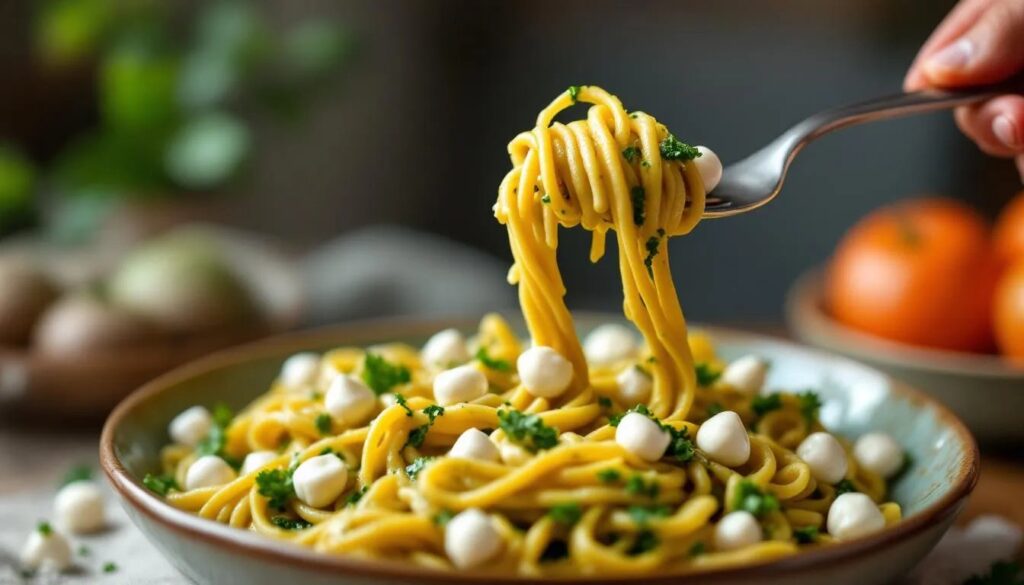
Cottage cheese never really left — it just waited for the right moment to come back louder. After years of sitting quietly in the back of the fridge as a diet staple, it has taken over social media feeds, professional kitchens, and grocery store shelves with a kind of energy that shows no sign of slowing down. High in protein, mild enough to disappear into almost any dish, and affordable enough to keep on rotation without thinking twice, it has earned its place at the table for reasons that go well beyond nostalgia or viral momentum.
What makes this particular wave interesting is the range of directions cooks are taking it. No longer confined to low-calorie lunch bowls with a few cherry tomatoes on the side, cottage cheese is now whipped into silky pasta sauces, baked into golden flatbreads, and folded into desserts with a texture that surprises even skeptics. The five recipes below cover the full spectrum — from a five-minute weeknight dinner to a sweet finish that holds up at a dinner party. Early spring is the right backdrop: the season calls for light, protein-forward cooking after months of heavier dishes, and cottage cheese delivers exactly that. Time to test each one.
| Content type | Trend / Roundup — 5 Recipes |
| Difficulty | Easy to Medium |
| Cost per recipe | $ / $$ |
| Season | Early spring — fresh herbs, radishes, asparagus, lemon |
| Key ingredient | Full-fat cottage cheese (2% or 4% fat recommended throughout) |
These recipes suit: High-protein · Vegetarian · Gluten-free options noted per recipe
A quick note on choosing the right cottage cheese
The single decision that changes every recipe here is fat content. Full-fat or 2% cottage cheese blends smoother, holds heat better, and carries flavor without turning watery. Fat-free versions tend to release liquid quickly once stirred or heated, which works against most of the textures you are after. If the curds bother you — and for some recipes they will — a 30-second blitz in a blender or food processor produces a consistency close to ricotta or labneh, but with a lighter body. That simple step unlocks the sauce recipes entirely.
Recipe 1 — whipped cottage cheese pasta with lemon, asparagus, and black pepper
| Preparation | 10 min |
| Cooking | 15 min |
| Servings | 2 people |
| Difficulty | Easy |
| Cost | $$ |
This is the recipe that converts people. The technique borrows from cacio e pepe — the Roman method of emulsifying cheese with starchy pasta water into a coating sauce — but replaces most of the fat-heavy aged cheese with blended cottage cheese. The result is a sauce that clings to each strand, sharp from lemon and cracked pepper, with asparagus adding the first vegetable of the season.
Ingredients
- 7 oz (200 g) spaghetti or linguine
- 1 cup (240 g) full-fat cottage cheese, blended smooth
- 10 asparagus spears, woody ends snapped, cut into 1-inch pieces
- 1 lemon — zest and juice
- 1 garlic clove, minced
- 1 tbsp olive oil
- ½ tsp freshly cracked black pepper (generous)
- ¼ cup (25 g) grated Parmesan or Pecorino
- Salt for pasta water
Preparation
1. Build the base
Blend the cottage cheese with a small blender or immersion blender until completely smooth — about 30 seconds. Set aside at room temperature. Cold cottage cheese hitting a hot pan seizes the sauce; letting it temper prevents that.
2. Cook the pasta and asparagus
Bring a large pot of heavily salted water to a rolling boil. Cook the pasta according to package instructions until al dente — firm with a thin, white thread still visible at the center when bitten. Add the asparagus pieces during the last 2 minutes of cooking. Before draining, reserve ½ cup of starchy pasta water — this is non-negotiable for the sauce.
3. Emulsify the sauce
In the same pot off the heat, warm the olive oil over medium-low. Add the garlic and let it soften for 30 seconds without coloring. Add the blended cottage cheese, lemon zest, lemon juice, and black pepper. Stir quickly, then add the drained pasta and asparagus. Pour in pasta water, 2 tablespoons at a time, tossing constantly until the sauce coats every strand without pooling. Finish with grated Parmesan.
Recipe 2 — cottage cheese flatbread (2-ingredient base)
| Preparation | 5 min |
| Cooking | 12–15 min |
| Servings | 2 flatbreads (serves 2) |
| Difficulty | Easy |
| Cost | $ |
The base is exactly what it sounds like: cottage cheese and eggs, blended and baked. What comes out of the oven is thin, pliable, mildly golden on the edges, and sturdy enough to hold toppings. It is naturally gluten-free, takes under 20 minutes from fridge to table, and carries whatever you choose to put on it — the spring version here uses whipped feta, radishes, fresh herbs, and a drizzle of good olive oil.
Ingredients
- 1 cup (240 g) full-fat cottage cheese
- 2 large eggs
- Pinch of salt and garlic powder
- For topping: whipped feta, thinly sliced radishes, fresh dill or chives, olive oil, flaky salt
Preparation
1. Blend and bake
Preheat the oven to 375°F (190°C). Line a baking sheet with parchment paper — do not skip this step, as the batter will stick to an unlined tray. Blend the cottage cheese, eggs, salt, and garlic powder until perfectly smooth. Pour onto the parchment and spread evenly into a rectangle roughly ¼ inch (6 mm) thick. Bake for 12 to 15 minutes until the edges are set and lightly golden and the center no longer moves when the tray is shaken.
2. Top and serve
Let the flatbread cool for 3 minutes — it firms up as it cools. Spread whipped feta over the surface, arrange radish slices, scatter herbs, and finish with a thread of olive oil and flaky salt. Slice with a sharp knife or pizza wheel and serve immediately.
Recipe 3 — cottage cheese chocolate mousse
| Preparation | 8 min |
| Rest | 30 min (refrigerator) |
| Servings | 4 portions |
| Difficulty | Easy |
| Cost | $ |
This mousse has texture that holds its shape in a spoon — denser than a classic French mousse, closer to a very light chocolate cheesecake filling. The cottage cheese base keeps the protein high and the richness controlled. The critical detail is using good dark chocolate, at least 70% cocoa: below that threshold, the sweetness tips the balance and the cottage cheese flavor breaks through in an unwelcome way.
Ingredients
- 1½ cups (360 g) full-fat cottage cheese
- 3.5 oz (100 g) dark chocolate (70% cocoa minimum), melted and cooled slightly
- 3 tbsp cocoa powder (unsweetened)
- 3–4 tbsp maple syrup or honey (adjust to taste)
- 1 tsp vanilla extract
- Pinch of salt
Preparation
1. Blend until airy
Combine all ingredients in a high-speed blender or food processor. Blend for 60 to 90 seconds — longer than you think is necessary. The mixture should go from grainy to completely smooth and slightly lighter in color. Taste and adjust sweetness.
2. Chill and serve
Divide into four small glasses or ramekins. Refrigerate for at least 30 minutes to allow the chocolate to firm the texture. Serve with a few flakes of sea salt on top and, if in season, fresh strawberries — the first of the year appear at markets in late March and hold up beautifully against the bitterness of dark chocolate.
Recipe 4 — cottage cheese scrambled eggs
| Preparation | 3 min |
| Cooking | 5 min |
| Servings | 1–2 people |
| Difficulty | Easy |
| Cost | $ |
Adding cottage cheese to scrambled eggs solves a specific problem: eggs cooked past the exact right second turn dry. The curds here act as a buffer, introducing moisture and protein simultaneously, and producing a soft, almost creamy result that is more forgiving of timing than a standard scramble. No blending required — the curds melt into the eggs as they set.
Ingredients
- 3 large eggs
- 3 tbsp (45 g) cottage cheese (no need to blend)
- 1 tsp butter or olive oil
- Salt and black pepper
- Fresh chives or dill to finish
Preparation
1. Low heat, slow hand
Whisk the eggs with a pinch of salt. Melt butter in a non-stick pan over low heat — medium-low at most. Add the eggs and stir gently with a silicone spatula, folding rather than scrambling. When the eggs are two-thirds set — still glossy and slightly underdone — fold in the cottage cheese. Continue stirring off the heat for 30 seconds as carry-over heat finishes the cooking. The curds will partially melt into pockets of creaminess while others remain visible. Finish with chives and serve on sourdough or a toasted English muffin.
Recipe 5 — cottage cheese bowl with spring vegetables and za'atar oil
| Preparation | 10 min |
| Cooking | 0 min |
| Servings | 2 people |
| Difficulty | Easy |
| Cost | $ |
This is the format that works at any meal — lunch, light dinner, or a high-protein breakfast. The base is cottage cheese served straight, not blended, so the curds stay visible and textural. The za'atar oil — made in 60 seconds by stirring the spice blend into good olive oil — adds warmth, herbal depth, and enough interest to make a bowl of cheese feel like a deliberate, composed dish.
Ingredients
- 1 cup (240 g) cottage cheese per bowl
- 2 tbsp olive oil
- 1½ tsp za'atar
- 4–5 radishes, thinly sliced
- ½ cucumber, diced
- A few sprigs of fresh mint
- 1 tbsp toasted pine nuts or pumpkin seeds
- Flaky sea salt, cracked pepper
- Optional: soft-boiled egg, sliced avocado, cherry tomatoes
Preparation
1. Build the bowl
Spoon the cottage cheese into a wide, shallow bowl and create a gentle well at the center using the back of the spoon. Mix the olive oil and za'atar together in a small bowl and pour into the well. Arrange the radishes, cucumber, and mint around the edges. Scatter the seeds or pine nuts over the top. Finish with flaky salt and a few turns of black pepper. The temperature contrast — cold cottage cheese against the room-temperature spiced oil — is a deliberate part of the dish.
Chef's notes — across all five recipes
The two most common mistakes are using fat-free cottage cheese and adding it to heat too fast. Full-fat holds together under temperature; fat-free turns watery. When cooking with it — pasta sauce, scrambled eggs — always temper the cheese first by letting it sit at room temperature for 10 minutes, or by stirring a tablespoon of the hot liquid into the cottage cheese before it hits the pan. That small adjustment stabilizes the proteins and prevents the grainy split that gives blended cottage cheese a bad reputation in cooked applications. In late spring and into summer, swap the asparagus in Recipe 1 for peas and mint — the same technique, a completely different dish.
Why the trend has staying power
Most food trends collapse under two pressures: taste and practicality. Cottage cheese survives both. The nutritional profile is genuinely strong — a 4-oz (113 g) serving of full-fat cottage cheese provides approximately ~14 g of protein, around ~100 kcal, and a useful amount of calcium, phosphorus, and B vitamins (values approximate). It is one of the few high-protein ingredients that costs less than most of its competition, stays fresh for a week, and works equally well in sweet and savory contexts without demanding a complex technique to get there.
The cultural moment also reflects a broader shift: home cooks are looking for ingredients that reduce decision fatigue. One container of cottage cheese in the fridge covers breakfast, lunch, a snack, a sauce, and a dessert. That kind of versatility does not go out of fashion — it gets absorbed into the rotation and stays there.
Approximate nutritional values — whipped cottage cheese pasta (per serving)
| Nutrient | Amount |
|---|---|
| Calories | ~480 kcal |
| Protein | ~32 g |
| Carbohydrates | ~58 g |
| of which sugars | ~4 g |
| Fat | ~12 g |
| Fiber | ~5 g |
Frequently asked questions
Can I use low-fat or fat-free cottage cheese in these recipes?
You can, but the results shift noticeably. Low-fat (1–2%) works in the chocolate mousse and the bowl with minimal compromise. In heated applications — the pasta sauce and the scrambled eggs — fat-free cottage cheese tends to release water and turn grainy rather than creamy. Full-fat or 2% is the consistent choice across all five recipes.
Is blending always necessary?
Only when a smooth texture is the point. The pasta sauce and the chocolate mousse require blending to achieve the right consistency. The scrambled eggs, the bowl, and the flatbread base all work with or without blending — unblended cottage cheese in the flatbread actually holds a slightly firmer, more textured result that some people prefer.
How long do these keep in the refrigerator?
The chocolate mousse keeps well for up to 3 days covered in the refrigerator and actually improves in texture after the first night. The flatbread is best eaten the day it is made — it softens overnight and loses its structure. The pasta should be consumed immediately, as the sauce does not reheat cleanly. The bowl and the scrambled eggs are strictly same-day dishes.
Can these recipes work for meal prep?
The chocolate mousse is ideal for meal prep — make four portions on Sunday and they hold through Wednesday. The flatbread base can be baked in advance and stored untopped between sheets of parchment in the refrigerator for up to two days, then topped cold or briefly rewarmed in a dry pan. The pasta sauce can be blended and refrigerated for up to two days; cook the pasta fresh and reheat the sauce gently with a splash of water.
What is the best cottage cheese brand for cooking?
Brand matters less than fat content and curd size. For recipes requiring blending, small-curd cottage cheese blends more evenly than large-curd. For the bowl and the scrambled eggs, large-curd varieties offer a more interesting texture. When possible, choose a brand with a short ingredient list — milk, cream, salt, cultures — and avoid versions with added stabilizers or gums, which can affect how the cheese behaves under heat.