



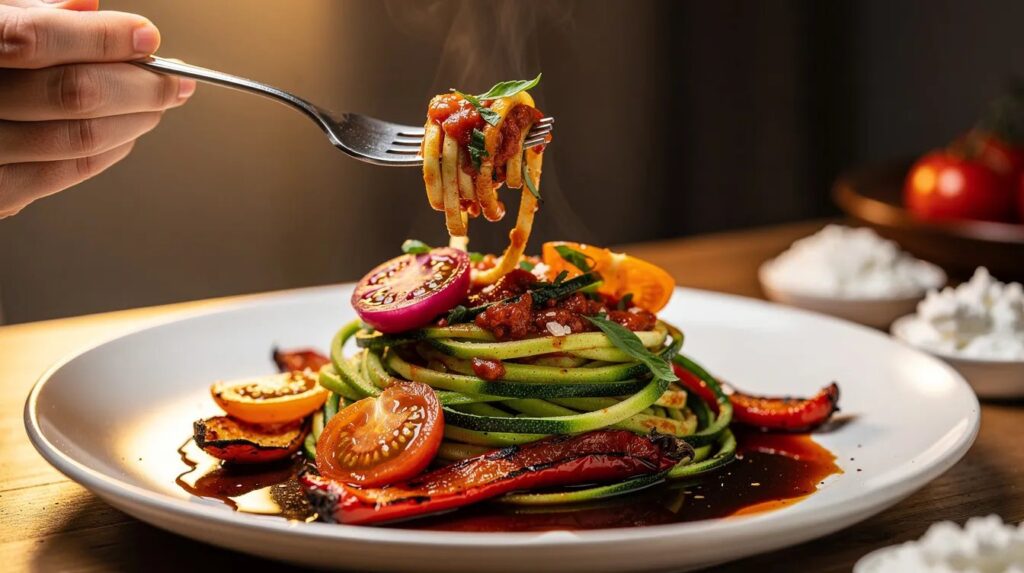
Spring is finally here, and with it comes the urge to return to the dinner table with something warm, satisfying, and genuinely good for you. For the nearly 38 million Americans living with diabetes, pasta has long carried an undeserved reputation as the enemy — a plate of carbs to be avoided at all costs. That picture is far more nuanced than it seems. The right pasta, prepared the right way, with the right ingredients, fits comfortably into a diabetes-friendly eating plan without sacrificing flavor or comfort.
These 15 recipes prove that point with every bite. Each one is built around lower-glycemic pasta options — whole wheat, chickpea, lentil, or edamame-based — paired with lean proteins, healthy fats, and the season's first vegetables: bright spring peas, tender asparagus, baby spinach, and fresh herbs that need nothing more than a drizzle of olive oil to shine. Blood sugar management and a deeply satisfying dinner are not mutually exclusive. Time to get cooking.
Understanding diabetes-friendly pasta
Before diving into the recipes, it helps to understand what makes a pasta dish work for blood sugar control. Glycemic load — not just glycemic index — is what matters most on the plate. A smaller portion of regular pasta cooked al dente (firm to the bite, which slows starch digestion) actually raises blood sugar more slowly than the same pasta overcooked to mush. Add a source of protein, healthy fat, and fiber to every bowl, and you further blunt the glucose response.
Alternative pasta types have also transformed the landscape. Chickpea pasta delivers roughly twice the protein and three times the fiber of conventional semolina pasta. Lentil pasta follows a similar profile. Whole wheat pasta retains its bran layer, slowing digestion and providing B vitamins and magnesium — a mineral that plays a direct role in insulin sensitivity. Even conventional pasta, served in a 2 oz dry portion with the right accompaniments, can be part of the picture. The recipes below account for all of these options.
1. Chickpea pasta with roasted asparagus and lemon
Asparagus arrives at its peak in March and April across most of the United States, and it pairs beautifully with chickpea fusilli. Roast the spears at 425°F until their tips turn crisp and slightly charred — about 12 minutes — then toss with cooked pasta, a generous squeeze of lemon, cracked black pepper, and a tablespoon of good olive oil. Finish with a handful of shaved Parmesan or nutritional yeast for a dairy-free version. The combination delivers approximately ~22 g of protein and ~9 g of fiber per serving, values that support steady blood sugar throughout the evening.
2. Lentil pasta with turkey bolognese
A true Bolognese is built on patience: ground turkey browned slowly in a wide pan until the moisture evaporates and the meat develops color, then simmered with crushed tomatoes, a soffritto of onion, carrot, and celery, and a splash of dry red wine. Pair this rich, slow-cooked sauce with lentil spaghetti, and the result is a high-protein, high-fiber bowl — ~28 g protein per portion — that reads as pure Sunday comfort. The sauce holds well for four days refrigerated, making it a smart batch-cook for the week ahead.
3. Zucchini noodles with avocado pesto
Spiralized zucchini is not a pasta replacement so much as its own thing entirely. Raw zucchini noodles — zoodles, as they've come to be known — hold almost no carbohydrate and provide a satisfying crunch when left uncooked. Blitz ripe avocado, fresh basil, garlic, lemon juice, and a tablespoon of olive oil in a food processor until smooth. Season assertively with salt, pepper, and a pinch of red pepper flakes. Toss with the zoodles and top with halved cherry tomatoes and toasted pine nuts. Total carbohydrate per serving: approximately ~14 g. Total satisfaction: considerably higher.
4. Whole wheat penne with white beans and spinach
This is a pantry recipe that comes together in under 20 minutes. Warm olive oil in a skillet, add thinly sliced garlic and cook until golden and fragrant — watch it carefully, as garlic goes from golden to bitter in seconds. Add a drained can of white beans, a large handful of baby spinach, and a ladleful of pasta cooking water. The starchy water emulsifies the sauce naturally, creating a silky coating that clings to whole wheat penne. A pinch of crushed red pepper and a squeeze of lemon to finish. Simple, filling, and rich in plant-based fiber.
5. Edamame pasta with miso ginger broth
Edamame-based pasta — made from whole soybeans — carries a complete amino acid profile, meaning it provides all essential proteins the body cannot manufacture independently. Cook the pasta until just tender, then ladle over a light broth built from low-sodium chicken stock, a tablespoon of white miso whisked in off the heat, freshly grated ginger, and a few drops of toasted sesame oil. Add thinly sliced scallions, shredded rotisserie chicken, and a soft-boiled egg. The broth keeps the glycemic load low while the egg and chicken push protein well above ~30 g per bowl.
6. Whole wheat orzo with grilled shrimp and spring peas
Fresh or frozen peas are one of spring's quiet gifts — sweet, slightly starchy, and done in three minutes of simmering. Whole wheat orzo, cooked al dente and tossed warm with peas, grilled shrimp, fresh mint, lemon zest, and a drizzle of olive oil, makes a dinner that feels light yet genuinely sustaining. Shrimp contributes lean protein with almost no carbohydrate, and the mint lifts the whole dish into something that tastes of the season.
7. Chickpea pasta primavera
Primavera — from the Italian for spring — was conceived as a celebration of whatever vegetables the season offers. In late March, that means asparagus, peas, baby spinach, and the first thin-skinned zucchini. Sauté each vegetable separately to preserve its texture, then combine with chickpea rotini in a light sauce of vegetable broth, garlic, and a tablespoon of cream cheese stirred in at the end for richness without excess fat. The result is genuinely colorful, the kind of plate that earns its place at the table through texture and freshness rather than heavy cream.
8. Lentil pasta with salmon and capers
Omega-3 fatty acids from salmon support cardiovascular health — a relevant consideration given that people with type 2 diabetes carry an elevated risk of heart disease. Pan-sear a salmon fillet skin-side down in a dry nonstick pan over medium-high heat until the skin is crisp, then flip for two minutes. Flake over lentil linguine tossed with capers, lemon, olive oil, and fresh dill. The capers provide a sharp, briny contrast to the rich fish, and the dill — at its most aromatic in spring — brings everything together.
9. Whole wheat pasta soup with white beans and kale
A pasta e fagioli-style soup with whole wheat ditalini is one of the most effective blood-sugar-friendly formats in Italian cooking. The pasta is cooked directly in the seasoned broth, absorbing flavor while releasing starch that thickens the soup naturally. Add white beans for protein and fiber, a large bunch of lacinato kale stripped from its stems and torn into pieces, and a Parmesan rind if one is on hand — it melts into the broth over 25 minutes of simmering and adds an umami depth that no powder can replicate.
10. Spaghetti squash with meat sauce
Spaghetti squash is not pasta, and it does not pretend to be. Its fine, slightly sweet strands have their own identity — one that works particularly well under a robust meat sauce. Halve the squash, brush with olive oil, and roast cut-side down at 400°F for 40 minutes until the flesh pulls into long strands with a fork. Top with a slow-cooked sauce of 93% lean ground beef, crushed tomatoes, fennel seeds, and garlic. Total carbohydrate for the squash itself: approximately ~10 g per cup.
11. Chickpea pasta with broccoli and anchovy
This is a Calabrian-inspired combination that works because of the anchovy's salt and umami acting as a background note rather than a starring flavor. Melt four anchovy fillets in warm olive oil over low heat until they dissolve completely into the fat — at this point, no one who claims to dislike anchovies will detect them. Add blanched broccoli florets, red pepper flakes, and the cooked pasta with a splash of pasta water. Finish with a handful of toasted breadcrumbs for crunch. The anchovy contributes omega-3s and eliminates any need for added salt.
12. Lentil pasta with roasted red pepper sauce
A roasted red pepper sauce requires almost no fat and no cream, yet it coats pasta with a vivid, slightly sweet intensity. Char the peppers directly over a gas flame or under a broiler until blackened on all sides, then seal in a bowl covered with plastic wrap for 15 minutes — the steam loosens the skin cleanly. Blend the peeled peppers with roasted garlic, a tablespoon of olive oil, smoked paprika, and a splash of pasta water. The sauce is naturally low in calories and pairs with lentil pasta for a dish high in plant protein and complex carbohydrates.
13. Whole wheat pasta with tuna, olives, and tomatoes
This is a Mediterranean pantry recipe — canned tuna packed in olive oil, Kalamata olives, cherry tomatoes halved and wilted briefly in a warm pan, and whole wheat pasta. The olives and tuna provide healthy fats and salt in equal measure; no additional seasoning is necessary beyond a pinch of dried oregano and a squeeze of lemon. Ready in under 15 minutes from start to finish, with a nutritional profile — lean protein, monounsaturated fats, fiber — that aligns with both Mediterranean and diabetes-friendly dietary guidance.
14. Edamame pasta with stir-fried vegetables and tamari
Low-sodium tamari — a wheat-free alternative to soy sauce — used sparingly brings enormous depth to a stir-fried pasta bowl. Cook edamame spaghetti, drain, and set aside. In a very hot wok or large skillet, stir-fry sliced bell peppers, snap peas, shredded cabbage, and thin-sliced scallions for no more than 3–4 minutes — the goal is retained crunch and bright color. Add the pasta, a tablespoon of tamari, a teaspoon of sesame oil, and a tablespoon of rice vinegar. The acid from the vinegar cuts the richness of the sesame and brightens everything considerably.
15. Whole wheat farfalle with pesto and cherry tomatoes
A traditional Genovese pesto — basil, pine nuts, garlic, Parmesan, olive oil — is high in fat but almost exclusively the monounsaturated kind, which supports insulin sensitivity rather than compromising it. The key with pasta and pesto is temperature: toss them together off the heat, with two tablespoons of pasta cooking water stirred in first to loosen the sauce and prevent clumping. Add halved cherry tomatoes for acidity and color. A modest portion — 2 oz dry pasta per person — dressed generously with pesto and topped with a few extra basil leaves pulled straight from a pot on the windowsill is spring dinner at its most straightforward.
Practical tips for every recipe
Across all 15 of these recipes, a few principles repeat themselves. Cook pasta al dente without exception — the texture is better, and the glycemic response is measurably lower. Measure dry pasta by weight when possible: a kitchen scale is more reliable than eyeballing a cup. Pair every pasta dish with a source of protein and, where the recipe allows, a portion of non-starchy vegetables to fill the plate and slow glucose absorption. Watch sodium in canned ingredients — rinse beans, choose low-sodium broths, and use anchovies and olives as seasoning rather than main ingredients.
Finally, portion size remains the variable most within a person's control. A 2 oz dry serving of pasta (~56 g) is the standard reference point used throughout these recipes. For those managing blood sugar closely, working with a registered dietitian to determine individual carbohydrate targets is the most reliable path — these recipes provide a strong foundation to build from.
Nutritional overview
Approximate nutritional comparison by pasta type (per 2 oz dry / ~56 g)
| Pasta Type | Calories | Carbs | Fiber | Protein |
|---|---|---|---|---|
| Conventional semolina | ~200 kcal | ~42 g | ~2 g | ~7 g |
| Whole wheat | ~190 kcal | ~40 g | ~5 g | ~8 g |
| Chickpea pasta | ~190 kcal | ~32 g | ~8 g | ~14 g |
| Lentil pasta | ~190 kcal | ~33 g | ~7 g | ~13 g |
| Edamame pasta | ~200 kcal | ~24 g | ~13 g | ~24 g |
All values are approximate and will vary by brand and preparation method.
Questions frequently asked
Is pasta actually safe for people with diabetes?
Pasta can be part of a diabetes-friendly diet when approached thoughtfully. Portion size, pasta type, cooking method (al dente vs. overcooked), and what the pasta is paired with all affect how significantly a dish raises blood sugar. Alternative pastas — chickpea, lentil, edamame — offer higher fiber and protein, which slow glucose absorption considerably. Working with a registered dietitian or certified diabetes care specialist provides the most personalized guidance.
What is the best pasta for blood sugar control?
Edamame pasta and chickpea pasta currently show the most favorable profiles among commercial options: high in protein, high in fiber, and lower in net carbohydrate than conventional semolina. Whole wheat pasta is a solid middle-ground option widely available and more neutral in flavor. Conventional pasta cooked al dente and served in a measured portion is also a viable choice within an otherwise balanced meal.
How much pasta is a reasonable serving for someone with diabetes?
A standard reference portion is 2 oz dry pasta (~56 g), which yields roughly 1 cup cooked. This delivers between 24–42 g of carbohydrate depending on the pasta type. Individual carbohydrate targets vary significantly based on medication, activity level, and metabolic response — a registered dietitian can help determine the right amount for any specific situation.
Does cooking pasta al dente really make a difference for blood sugar?
Research supports this consistently. Overcooked pasta has a higher glycemic index than pasta cooked firm — the starch granules swell and become more readily digestible when cooked longer. Stopping the cooking while the pasta still offers slight resistance to the bite results in a measurably slower and lower glucose response. This applies to all pasta types, not just whole grain varieties.
Can these recipes be prepared ahead and reheated?
Most of the sauce-based recipes — the turkey Bolognese, the roasted red pepper sauce, the meat sauce for spaghetti squash — hold very well refrigerated for up to four days and improve in flavor overnight. For pasta dishes, it is generally best to store the pasta and sauce separately and combine at reheating to prevent the pasta from absorbing all the liquid and becoming mushy. Soups with pasta are an exception — the pasta will continue to soften in the broth, so adding the pasta fresh at reheating produces a better result.