



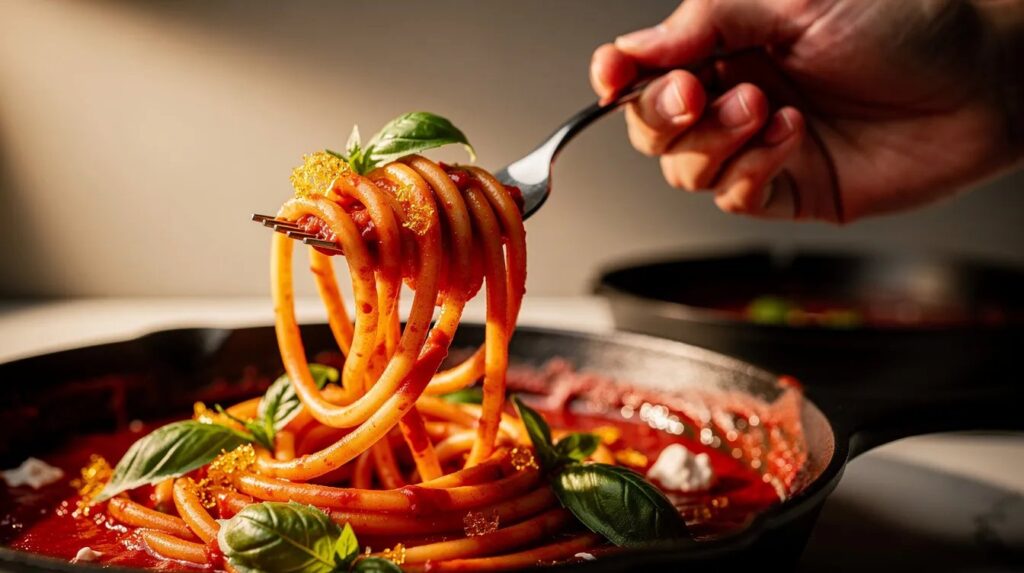
March is the season where weeknight cooking demands efficiency without compromise. The days are getting longer, there's still a chill in the air, and nobody wants to stand over a stove for an hour after work. That's exactly the gap this upgraded pasta dish fills: a bold, pantry-driven dinner that comes together in under twenty minutes, with enough depth of flavor to make it feel genuinely considered rather than thrown together. It's the kind of recipe that's been making the rounds online for good reason — and this version takes the original concept several steps further.
What separates this iteration from the standard viral formula is a small set of deliberate upgrades: better fat, more aromatics, a smarter pasta choice, and a finishing technique borrowed from Italian restaurant kitchens. The result is a silkier sauce, a more complex flavor profile, and a dish that works as well on a Tuesday night as it does for casual entertaining. Get the skillet out.
| Prep | 5 min |
| Cook | 15 min |
| Servings | 4 people |
| Difficulty | Easy |
| Cost | $ |
| Season | Early spring pantry staples; optional fresh herbs (parsley, chives) |
Suitable for: Vegetarian
Ingredients
- 12 oz rigatoni or mezze rigatoni (bronze-die cut preferred)
- 4 tbsp unsalted butter, divided
- 3 tbsp extra-virgin olive oil
- 6 cloves garlic, thinly sliced
- 1 tsp red pepper flakes, or to taste
- 3 tbsp tomato paste (double-concentrate preferred)
- ½ cup dry white wine (or dry vermouth)
- 1 cup pasta cooking water, reserved before draining
- 2 oz Parmesan, finely grated, plus more to finish
- 1 oz Pecorino Romano, finely grated
- 1 tsp lemon zest
- Kosher salt, to taste
- Freshly ground black pepper, to taste
- Small handful fresh flat-leaf parsley, roughly chopped (optional but recommended in spring)
Equipment
- Large pot (for pasta)
- Large skillet or wide sauté pan (12-inch)
- Fine grater or Microplane
- Tongs or pasta fork
- Ladle or heatproof measuring cup (for pasta water)
- Colander
Preparation
1. Salt the water properly and cook the pasta
Fill your large pot with cold water and bring it to a rolling boil over high heat. Season it generously with kosher salt — the water should taste noticeably salty, roughly 1 tablespoon per gallon of water. This is the only opportunity to season the pasta itself from the inside out, so underdoing it here results in a flat-tasting dish no amount of sauce can fully rescue. Add the rigatoni and cook it for 2 minutes less than the package's al dente time. The pasta will finish cooking in the sauce and needs to arrive in the skillet still firm at the core — if you bite through a piece, you should see a faint white dot at the center. Before draining, use a ladle to pull out at least 1½ cups of pasta cooking water and set it aside. This cloudy, starch-rich liquid is what transforms the sauce from a loose coating into something that clings and emulsifies.
2. Build the garlic and tomato base
While the pasta cooks, heat the olive oil and 2 tablespoons of butter together in your skillet over medium heat. When the butter has melted and the foam begins to subside, add the sliced garlic and red pepper flakes. The goal here is a slow, gentle blondissement — the garlic should soften and turn a pale golden color over 3 to 4 minutes without browning. If the garlic colors too quickly, pull the pan off the heat for 30 seconds; burnt garlic is bitter and cannot be corrected. Once the garlic is fragrant and translucent at the edges, add the tomato paste directly to the center of the pan and let it cook, pressing and spreading it with a wooden spoon, for about 2 minutes. You're looking for the paste to deepen in color from bright red to a rich burgundy-brick — this process, sometimes called pincé, drives off excess moisture and concentrates the umami compounds in the tomato.
3. Deglaze and reduce
Pour the white wine into the skillet. It will hiss sharply against the hot pan — that sound means you're picking up all the caramelized bits from the base of the skillet. Stir to combine and let the wine reduce by about half over 2 minutes of medium-high heat. The sharp alcohol smell should largely cook off, leaving behind the wine's acidity and any fruity or mineral notes. This step adds dimension the original viral version typically skips, creating a sauce base that reads as complex even though it's built from pantry staples.
4. Finish the pasta in the sauce
Transfer the underdone pasta directly from the pot into the skillet using tongs — don't worry about a bit of water transferring along with it. Add ½ cup of the reserved pasta water and toss everything together over medium heat. As the pasta finishes cooking in the sauce, the starch it releases will bind with the fat and liquid to create a cohesive, slightly creamy coating. Add more pasta water in small increments if the pan looks dry or the sauce threatens to tighten up. Once the pasta reaches a proper al dente texture — firm but with no raw bite — remove the skillet from the heat. Add the remaining 2 tablespoons of cold butter, the grated Parmesan, and the Pecorino Romano. Toss vigorously and continuously; the cold butter mantecatura-style finishes the sauce into a glossy, emulsified coating rather than a greasy pool. Add the lemon zest, taste for salt, and adjust with a few turns of black pepper.
5. Plate and serve immediately
Divide the pasta between warm bowls — running them briefly under hot water and drying them prevents the sauce from seizing on contact with a cold surface. Top each portion with a fresh grating of Parmesan, a few extra flakes of red pepper if desired, and the chopped parsley. In early spring, a few chives or even torn fresh basil work beautifully if you have them. Pasta waits for no one: serve within two minutes of plating, while the sauce is still fluid and the cheese still fragrant.
Chef's Tip
The single upgrade with the most impact is using bronze-die cut pasta. This manufacturing method creates a rough, porous surface on each piece that grips sauce in a way smooth, industrial pasta simply cannot. Look for the phrase trafilata al bronzo on the package — brands like De Cecco, Garofalo, or Rustichella d'Abruzzo carry it in most American grocery stores and on Amazon. In spring, consider stirring in a small handful of blanched fresh peas in the final toss for color and a clean, green sweetness that cuts through the richness of the butter and cheese.
Wine Pairing
The sauce here is built around umami-rich tomato paste, salty aged cheese, and a background heat from the pepper flakes — it needs a wine that can match that intensity without amplifying the bitterness.
A Vermentino from Sardinia or a crisp Pinot Grigio from Friuli works well: enough acidity to cut through the butter and cheese, with citrus and green herb notes that echo the lemon zest and parsley. If you prefer red, a lightly chilled Barbera d'Asti — bright, low-tannin, and genuinely food-friendly — handles the tomato and pepper without overpowering the dish. For a non-alcoholic option, sparkling water with a squeeze of lemon and a few fresh mint leaves mirrors the cleansing effect of a high-acid wine.
About This Dish
The viral pasta format — a streamlined, one-pan weeknight recipe that spreads rapidly on platforms like TikTok and Instagram — has become one of the defining food media formats of the past several years. These recipes succeed for a reason: they identify a genuine pain point (dinner fatigue, limited time, minimal cleanup) and solve it with accessible ingredients. The best of them, including this one, are rooted in real culinary logic rather than pure novelty.
This particular version draws heavily from the Italian tradition of pasta al pomodoro — one of the oldest and most debated preparations in Italian home cooking — and grafts onto it a few French-leaning technique touches: the reduction of wine, the cold-butter mount at the finish. The result exists somewhere between a quick weeknight pantry dinner and a technique-forward dish you'd find at a neighborhood Italian restaurant, making it exceptionally versatile.
Nutrition Facts (per serving, approximate values)
| Nutrient | Amount |
|---|---|
| Calories | ~580 kcal |
| Protein | ~18 g |
| Carbohydrates | ~72 g |
| of which sugars | ~5 g |
| Fat | ~22 g |
| Fiber | ~4 g |
Frequently Asked Questions
Can this pasta be made ahead of time?
Pasta emulsified with butter and starchy water tastes best within the first five minutes of plating. However, the sauce base (up to the wine reduction) can be prepared up to two days in advance and refrigerated. When ready to eat, gently reheat the sauce, cook fresh pasta, and finish the dish as directed. Reheating fully assembled pasta tends to break the sauce emulsion and soften the texture.
How do I store and reheat leftovers?
Store leftovers in an airtight container in the refrigerator for up to 2 days. To reheat, add the pasta to a skillet over medium-low heat with a splash of water. Avoid the microwave, if possible, as it steams the pasta unevenly and separates the fat. Toss gently until warmed through and the sauce has re-emulsified. Stirring in a small knob of fresh butter at the end restores some of the original gloss.
What substitutions work if I don't have white wine?
Dry vermouth is actually a good substitute — it has a longer shelf life once opened and a slightly herbaceous quality that works well here. You can also use low-sodium chicken or vegetable broth with a teaspoon of white wine vinegar added to approximate the acidity. Not using a deglazing liquid will flatten the flavor profile of the finished sauce.
Which pasta shape works best if I can't find rigatoni?
Any ridged or tubular shape performs well: penne rigate, ziti, cavatappi, or mezze maniche are all solid choices. The ridges and hollow centers trap sauce in a way that flat shapes like spaghetti or linguine cannot, though spaghetti works. Whatever shape you choose, bronze-die cut makes a bigger difference than the specific format.
Can I add protein to make it more filling?
Yes, you can. Italian sausage crumbled and browned before the garlic step adds fat and savory depth that integrates seamlessly with the tomato base. Crispy guanciale or pancetta added with the garlic is another natural fit. For a pescatarian option, a can of good-quality oil-packed tuna stirred in at the end — off the heat — is a classic Italian pantry move. In early spring, a soft-poached egg placed on top of each bowl at the table adds richness without requiring any additional cooking time.